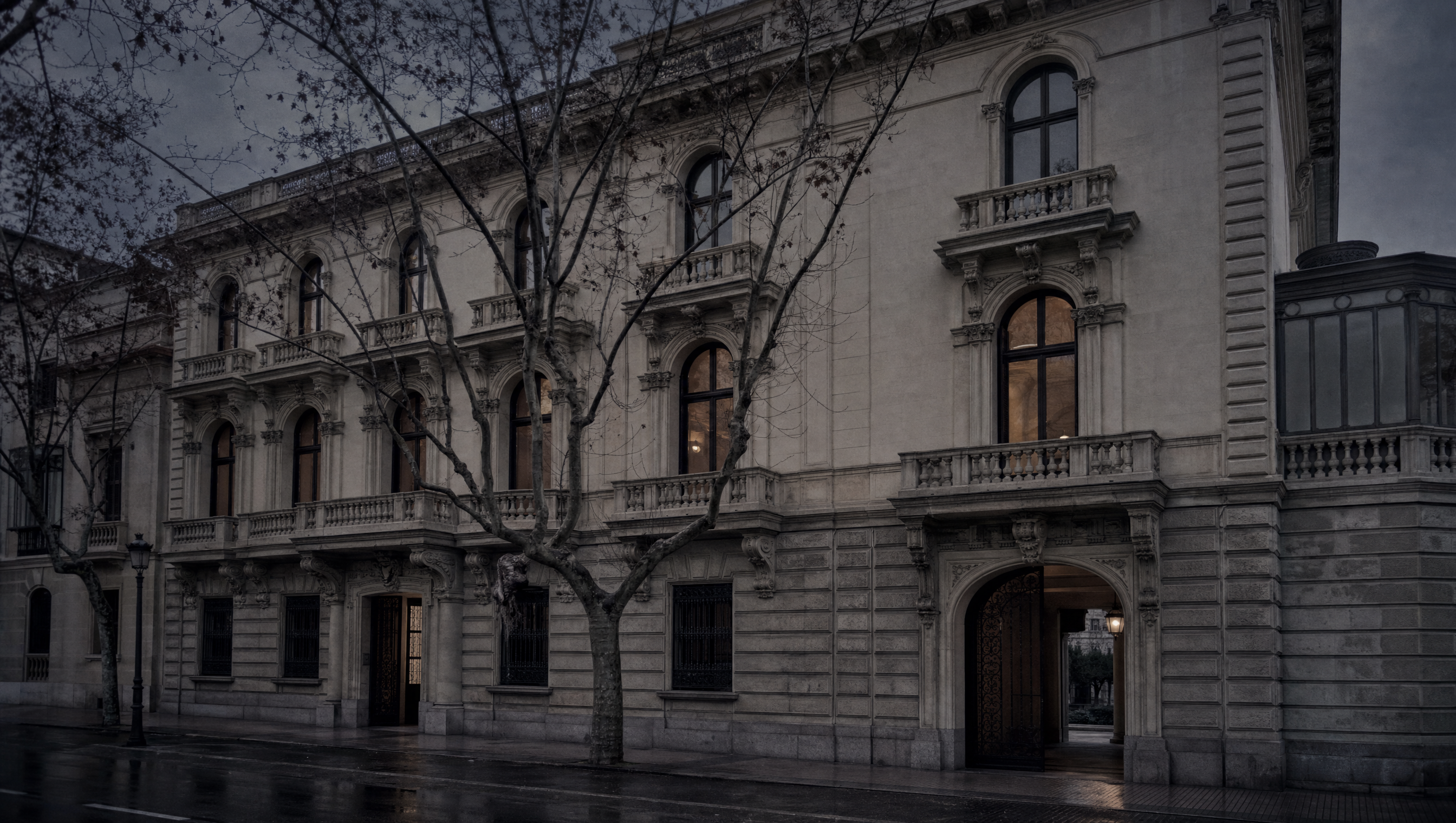
Enrique de Aguilera y Gamboa, seventeenth Marquis of Cerralbo, began collecting as a boy by spending his pocket money on coins in shops and markets, and never really stopped. He was a Carlist politician, a historian, and — the part I keep coming back to — a genuine pioneer of Spanish archaeology, who funded more than a hundred excavations across the Jalón basin and won the Martorell prize for writing them up. Work on this building began in 1883, to a design carried through by Alejandro Sureda and the two Cabellos, father and son; the family moved in in 1893. It was raised to be lived in and to hold the collections, in that order and at the same time. The display is not something that happened to the house afterwards. It is the brief.
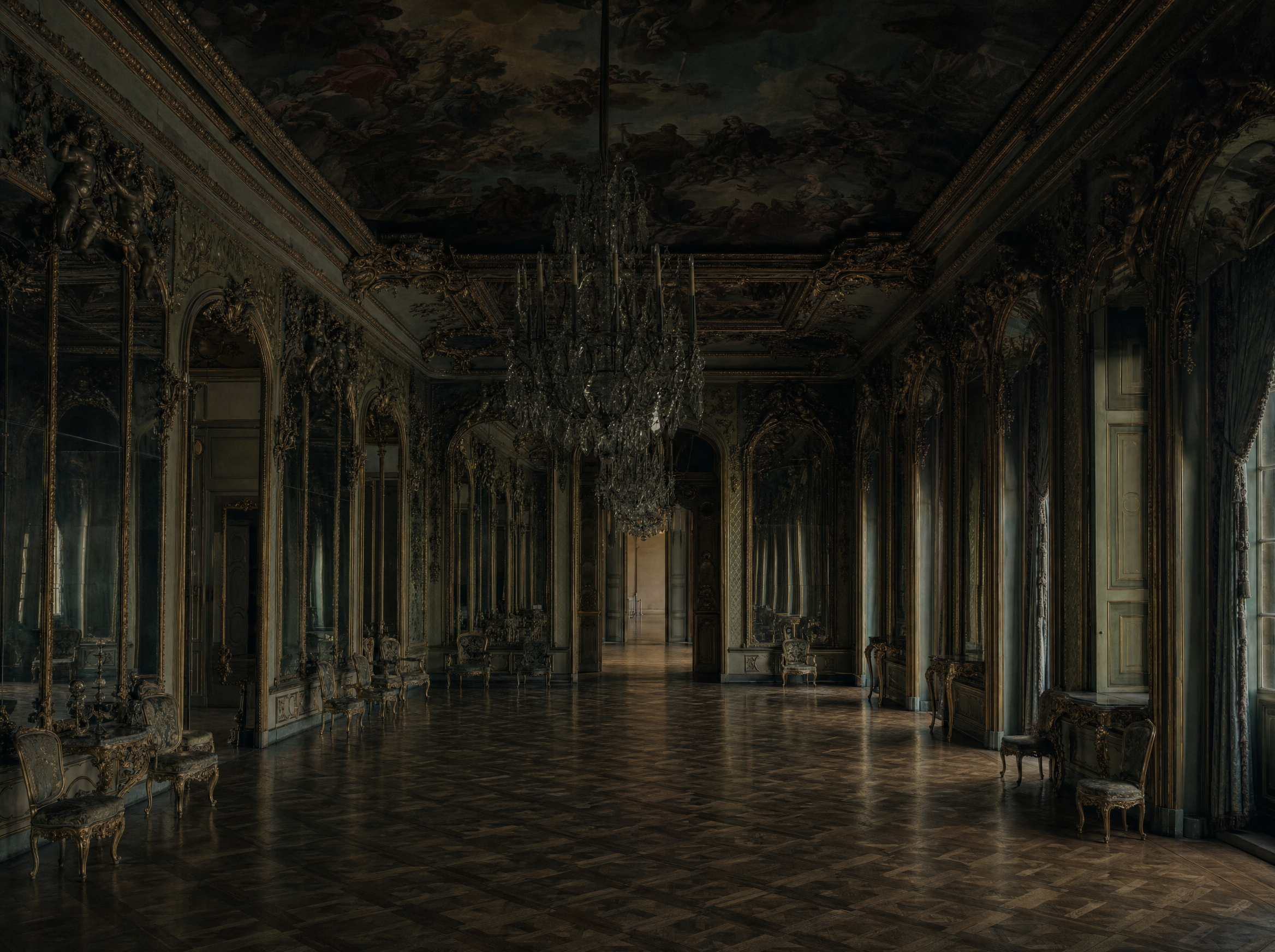
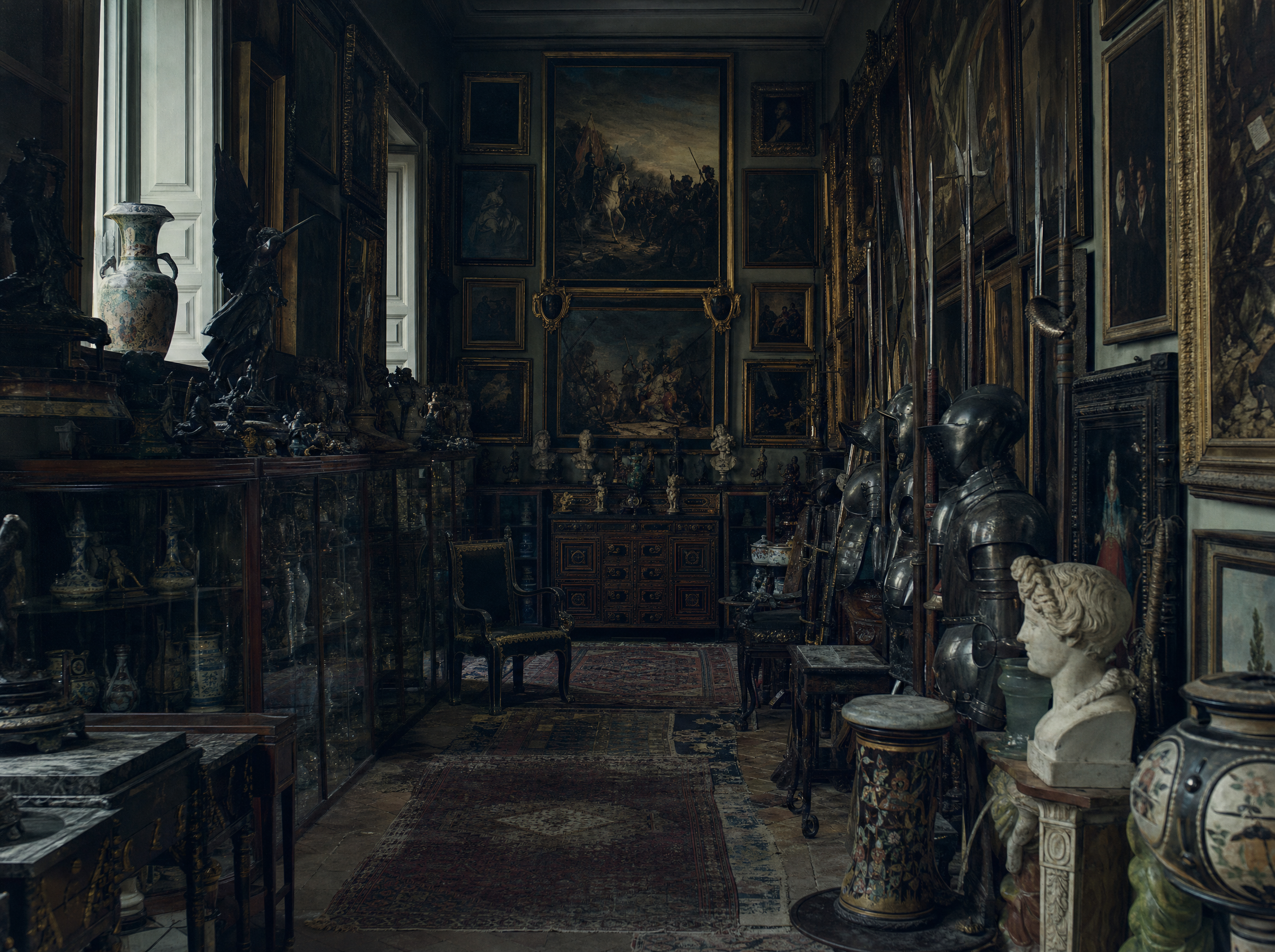
Which is why walking in is a small assault. Armour ranked along a wall, glass in cabinet after cabinet, small dark oils hung frame to frame from the chair rail to the cornice, rugs laid over rugs, and then the ballroom — Venetian mirrors, gilding, and a ceiling painted by Máximo Juderías Caballero — arranged so that the room is mostly its own reflection. There is no edit here, no restful wall, no curator's breathing space. The first time I tried to see all of it and came out with nothing. The second time I gave the glass cabinets twenty honest minutes and came out with an afternoon.
The marquess died in 1922 and left the collections, part of the building and an income to the State to make a museum of it; the bequest was accepted in 1924, his stepdaughter Amelia del Valle added her own in 1927, and it opened properly as a museum in 1944. He also named the first keeper himself, in his will: Juan Cabré Aguiló, who inventoried the whole thing and then got it through the Civil War. Go on a Thursday evening if you can — the museum opens again from five, and the second half of that is free — and go with nothing in your hands, because the lockers are compulsory and the queue for them is the real queue.
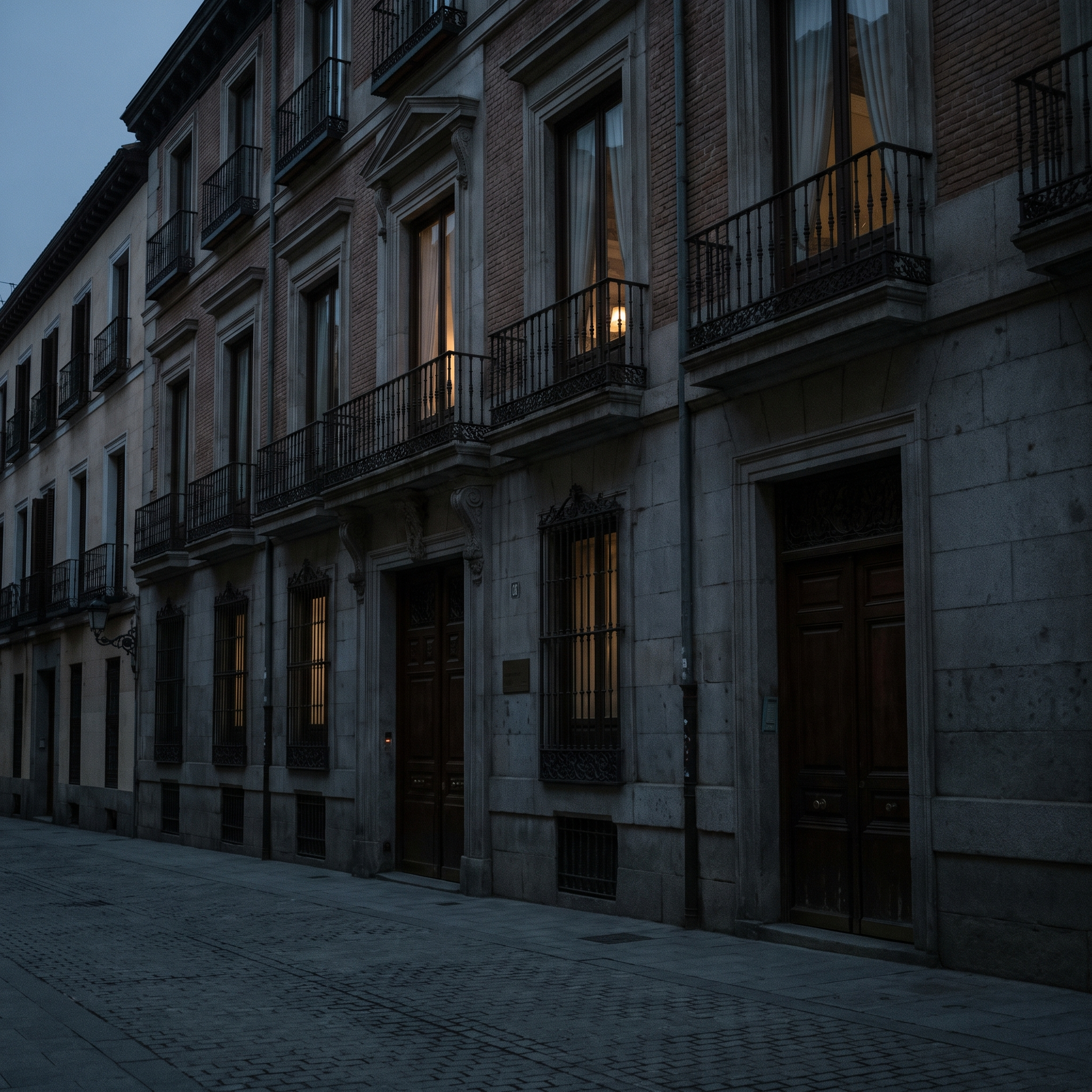
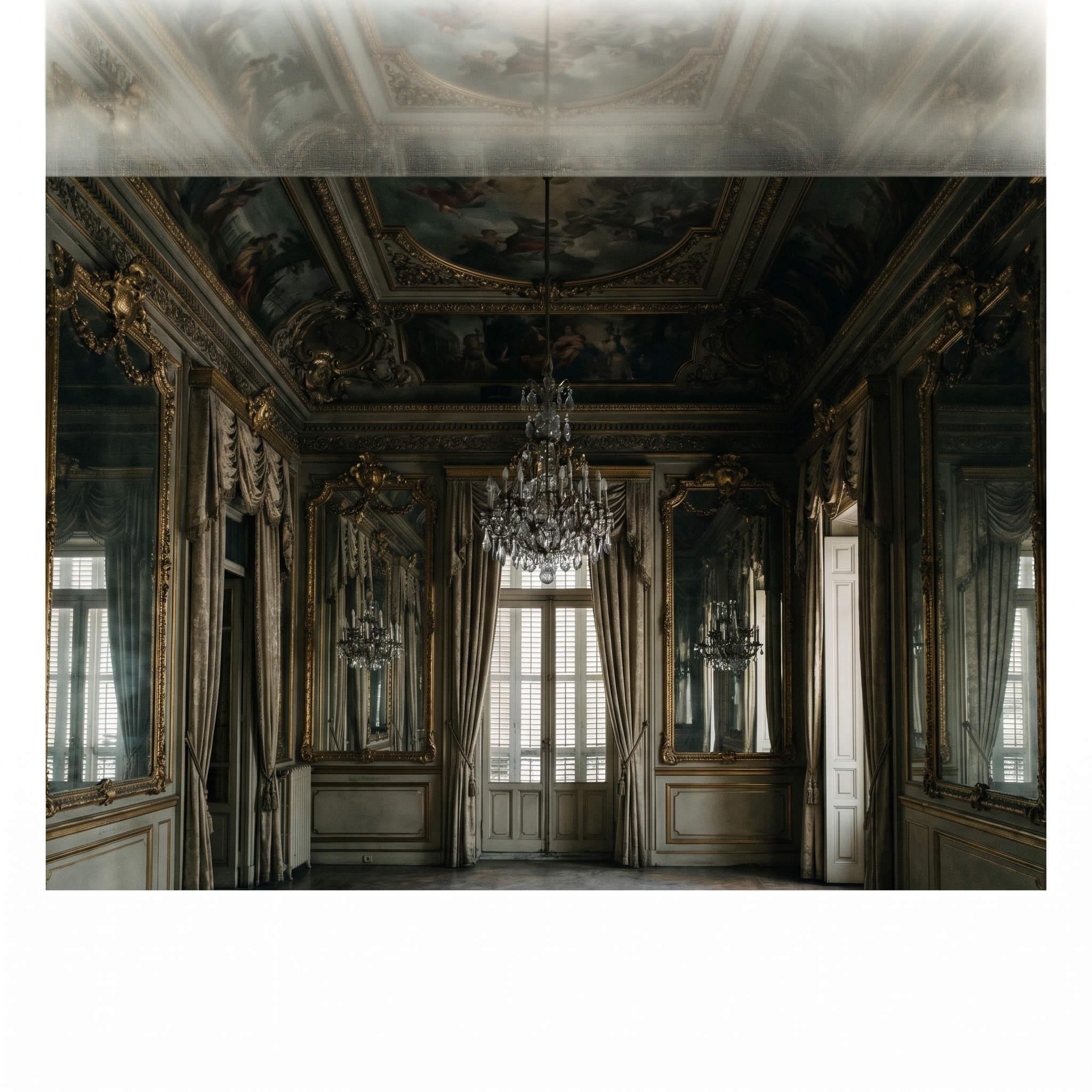
Somebody had to live here after it had already been left to the nation.
The marquess died in 1922; the State accepted his bequest in 1924. His stepdaughter Amelia del Valle went on living in the house until her own death in 1927, and in that year added a bequest of her own. So for the best part of five years this was a private home whose contents had already stopped belonging to the people inside it.
I think about that more than I expected to. You go on using the stairs, having the lamps lit, sitting under the painted ceiling — and every object in the room is by then a public asset with an inventory number waiting for it. Juan Cabré Aguiló, appointed in the will, was already at work counting.
No tragedy in it, and I would not invent one. But it explains the particular temperature of the place: not a house preserved after the fact, a house handed over while the family were still in it, still warm.