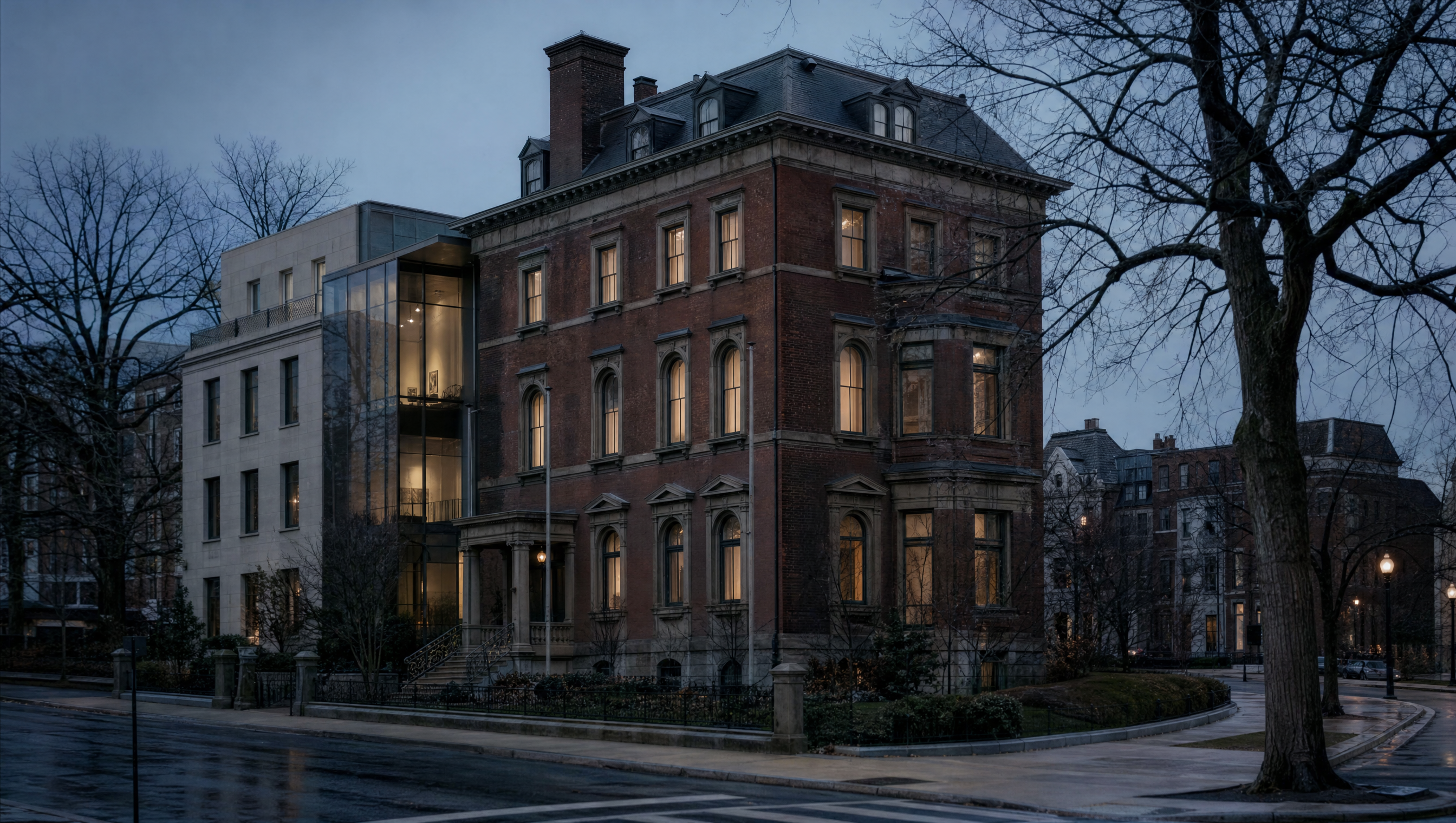
A mile north of the Mall, and it might as well be a different country. This was America's first museum of modern art — open to the public from the autumn of 1921, and for its first years it was two rooms on the upper floor of a family house that people were still living in. The Phillipses moved out in 1930 and gave the whole house over to the pictures. Everything that makes the place unusual follows from that. The rooms are domestic. The doorways are domestic. There are fireplaces and window seats and a radiator under the sill, and a Bonnard hung at the height a person would hang a Bonnard they intended to look at from a chair.
Duncan Phillips bought Renoir's Luncheon of the Boating Party in 1923 and it has been the centre of gravity ever since, which is faintly unfair on everything else, because the real pleasure here is the company it keeps: a small, argumentative, extremely personal collection where a Klee sits near a Daumier because one man thought they belonged together and did not ask anyone's permission. Go on a weekday morning, before the school groups, and take it slowly. It is not a big museum. Two hours is generous. You will use them.
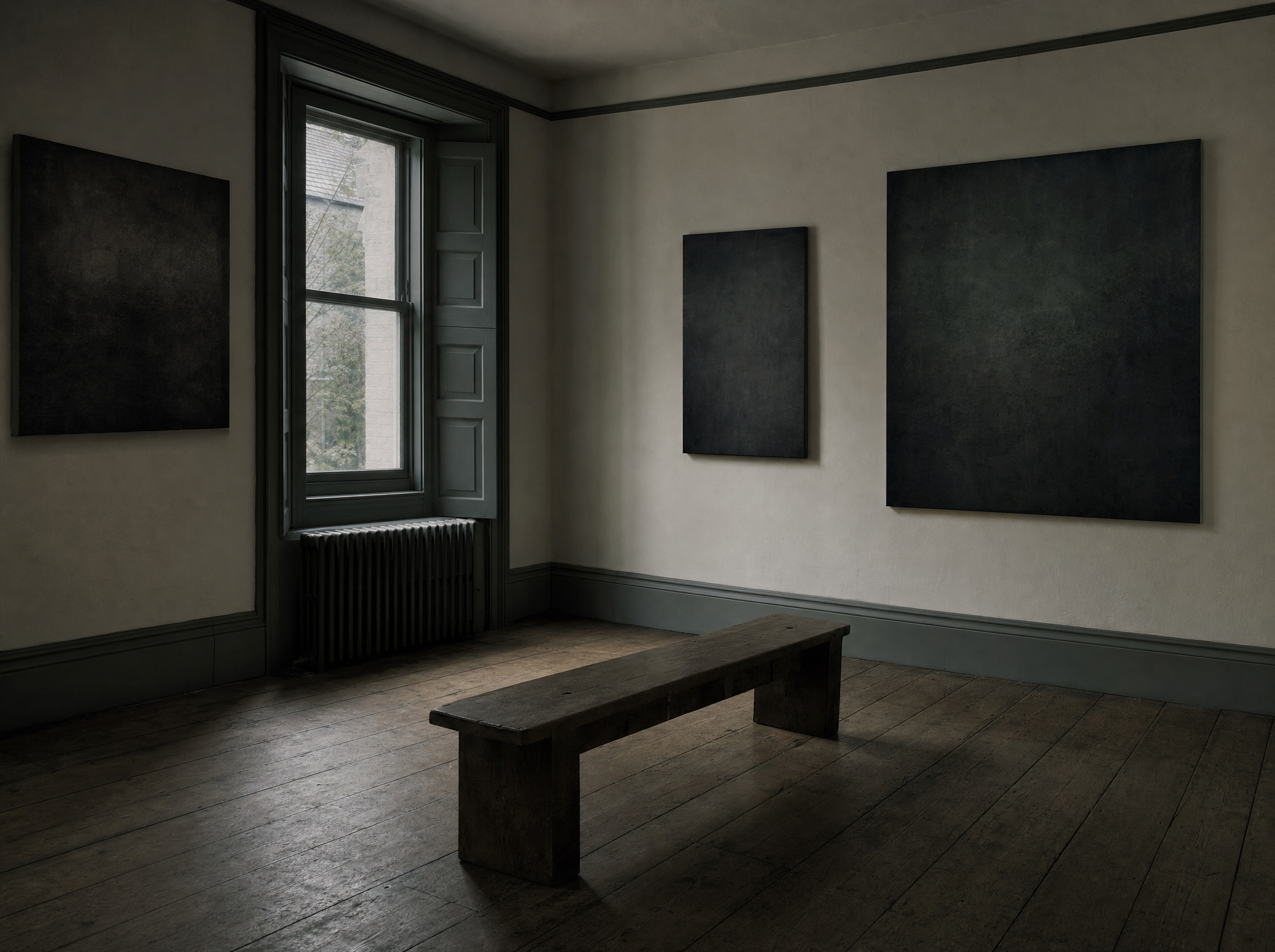
And then the Rothko Room, which is the reason I keep the entry. Four canvases, one to a wall, a small square space, the lights kept low, and a plain wooden bench in the middle. Rothko came to the opening in a January blizzard in 1961, said the lighting should be lower and that there should be a bench rather than chairs, and the bench that is in there now is that bench. It is the only Rothko installation in the world arranged with the painter in the room. Go first thing, before anyone else has thought of it, and sit down. There is no photography in there, and the rule is doing you a favour.
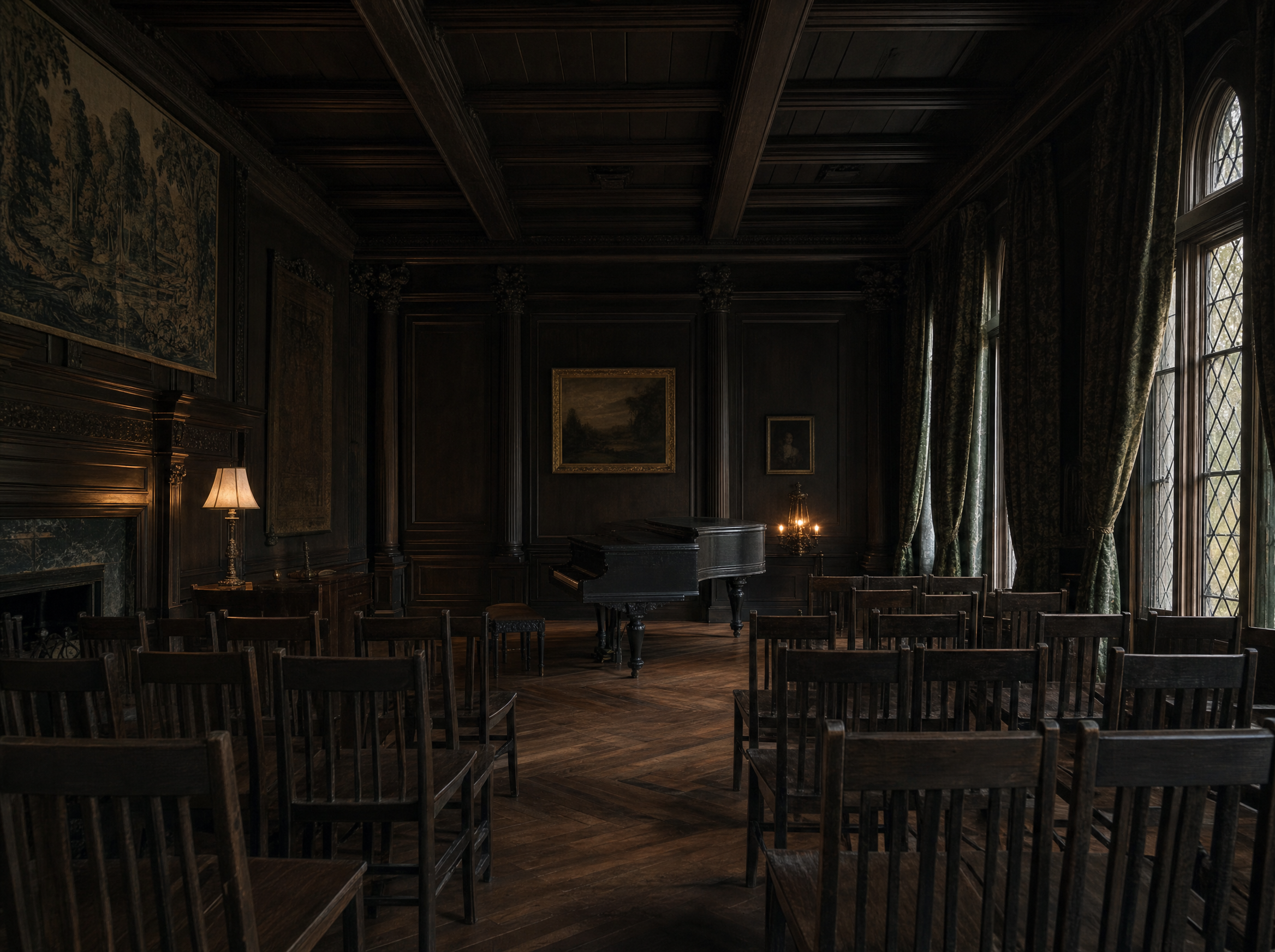
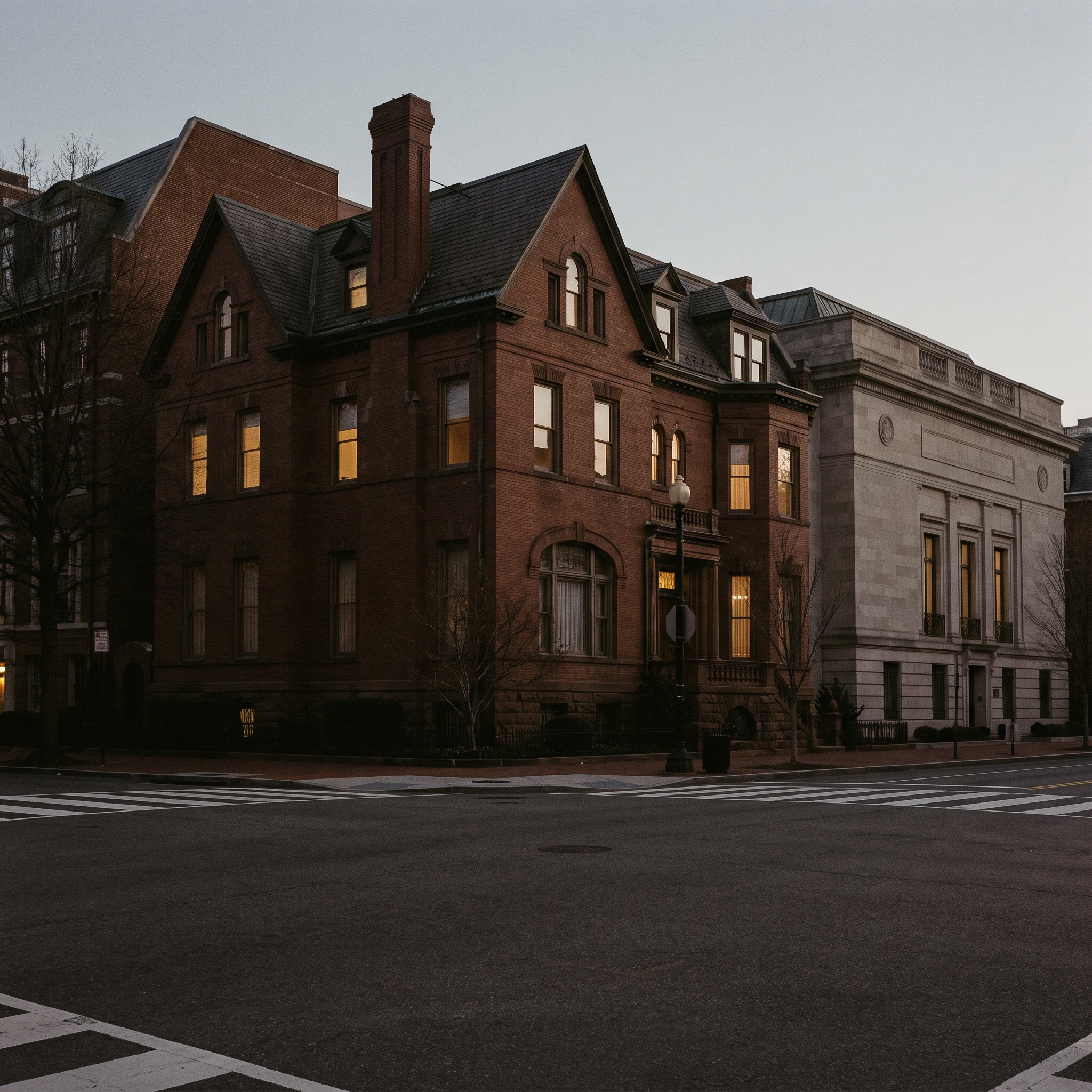
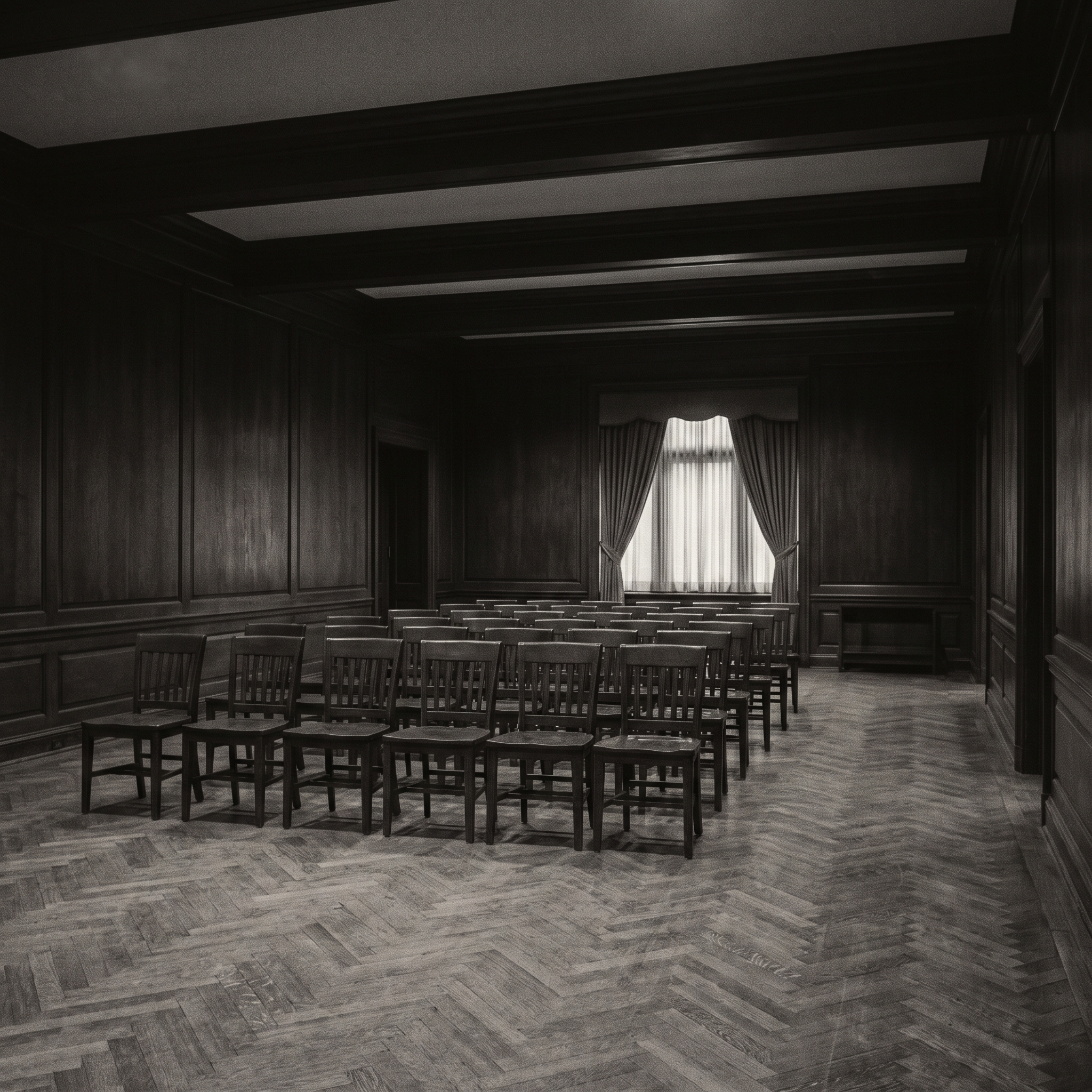
It was founded as a memorial, and it has never entirely stopped being one.
Duncan Phillips lost his father in 1917 and his brother James to the influenza the following year. He wrote that sorrow all but overwhelmed him, and that he turned to his love of painting for the will to live. He and his mother founded the gallery at the end of 1918 and called it the Phillips Memorial Art Gallery.
That is the whole explanation for the temperature of the place. It was never built to instruct anybody. It was built by a man who needed rooms he could sit in, hung with things that made continuing bearable, and who then decided that other people might need the same thing and left the door open.
Which is why the bench in the Rothko Room is not a nice detail but the entire argument. Nobody here is asking you to move along. I have sat in that room for forty minutes and been left completely alone, in a museum, in the middle of a capital city.