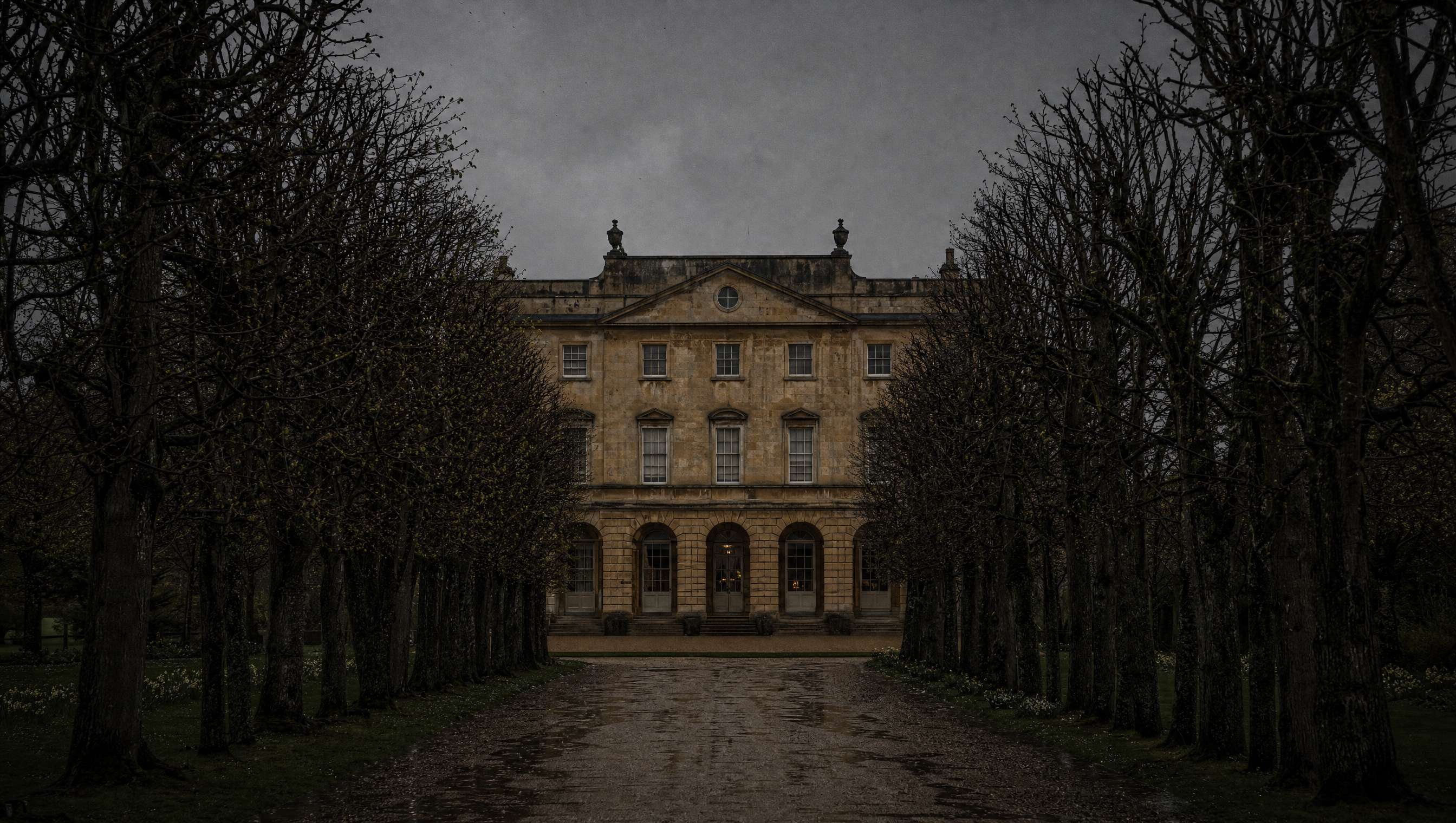
Bath spends a quarter of a mile setting this building up. Great Pulteney Street is absurdly wide and absurdly straight, and the whole of it exists to deliver you to a front door — this one, built in the last years of the eighteenth century as the Sydney Hotel, the entrance pavilion to a pleasure garden. Take a taxi and you have thrown the argument away for the sake of four minutes. Walk it. The facade grows at exactly the rate the street intends, and by the time you arrive you have been persuaded of something before you have seen a single object.
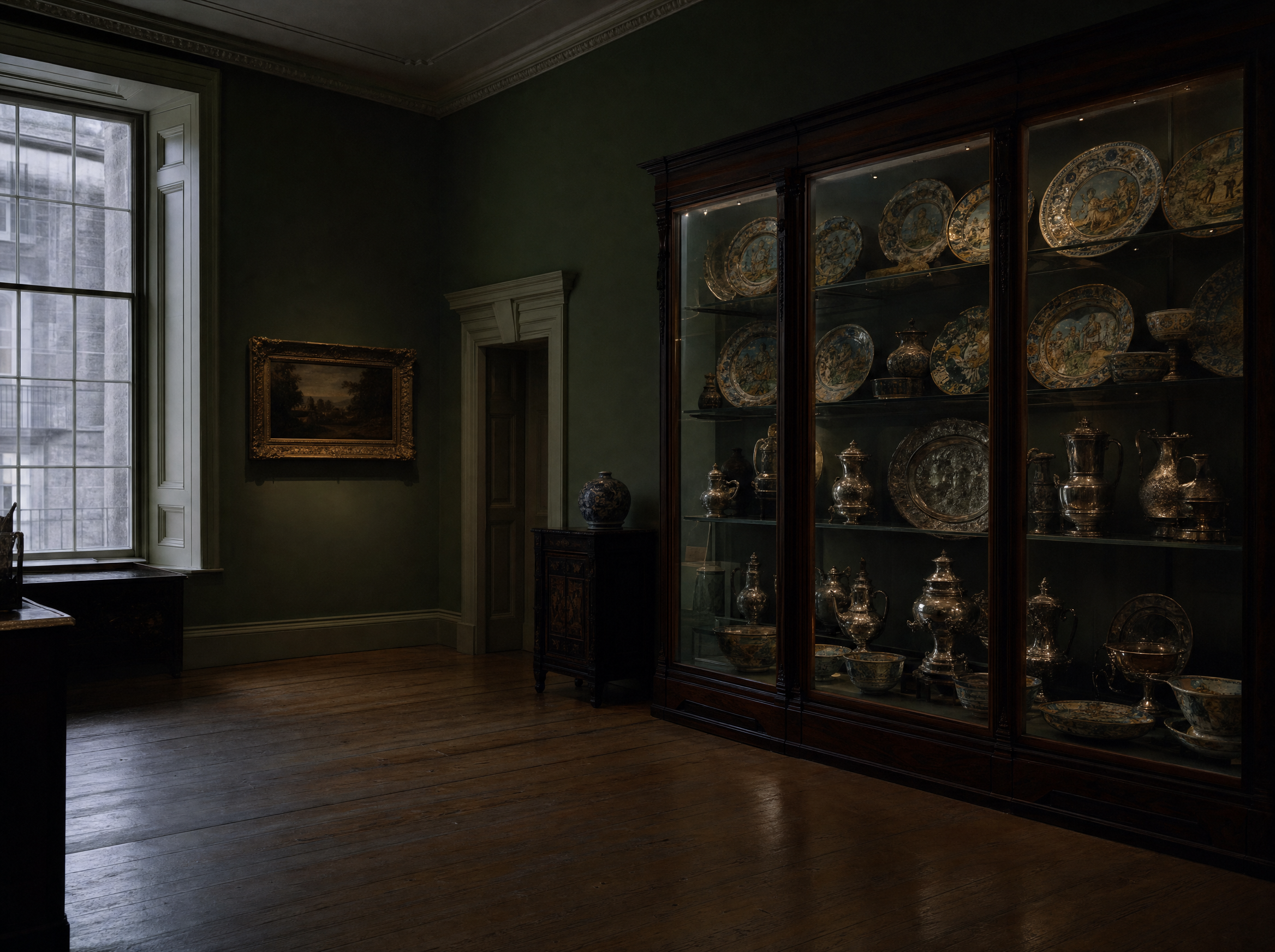
Behind that immaculate front is a collection with no manners at all, and I mean that as praise. Sir William Holburne left over four thousand things: Italian maiolica, seventeenth-century silver, portrait miniatures, Roman glass, coins, snuff boxes, bronzes, and pictures. It is a private appetite, not a curriculum, and the museum has been sensible enough not to tidy it into a narrative. Upstairs the eighteenth century arrives properly — Gainsborough, who worked in this city for sixteen years, and the Byam family portrait he went back into years later to add a daughter and repaint her mother's gown. Stand close enough to catch him changing his mind.
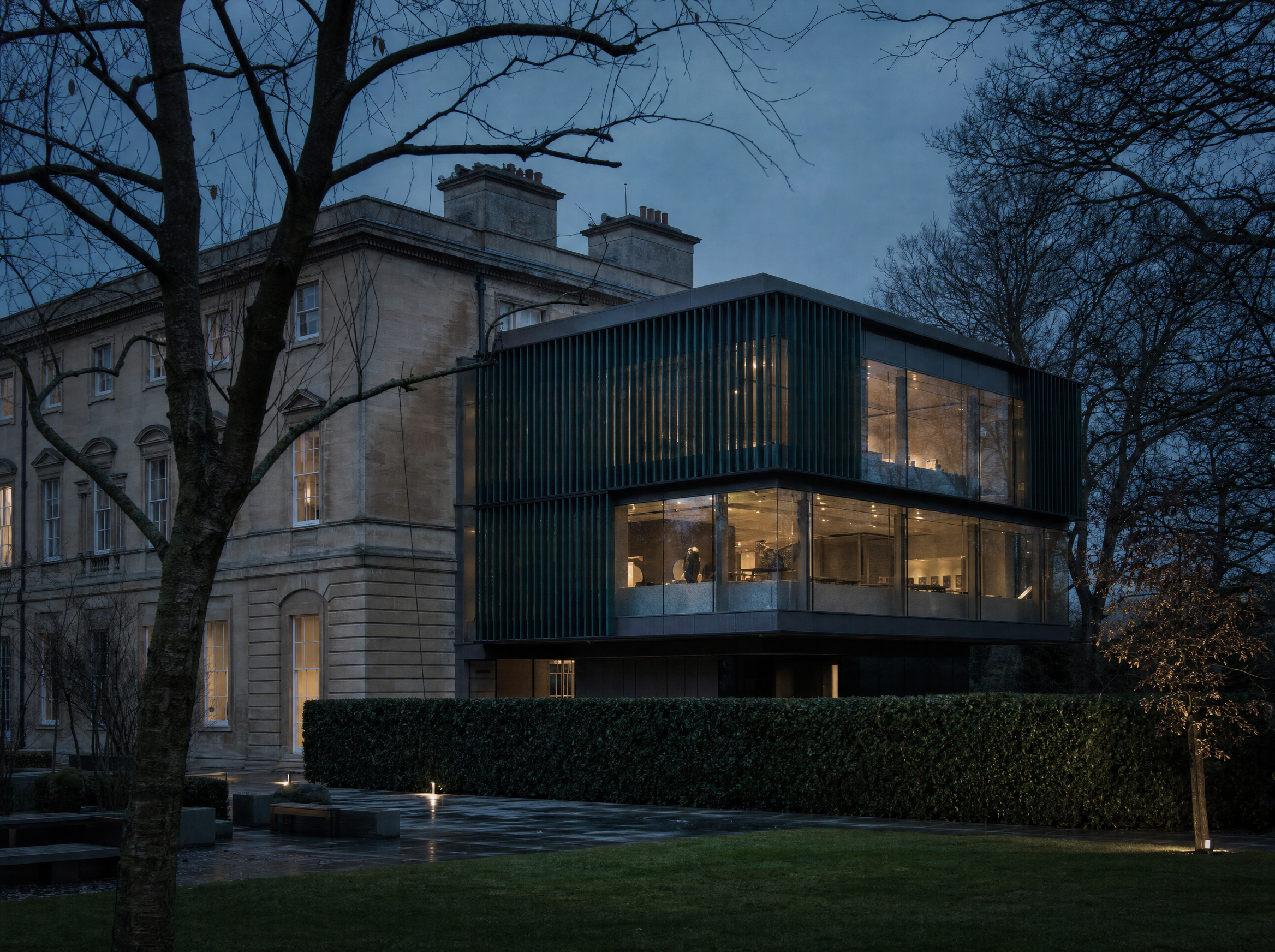
Then there is the extension, which Bath argued about and which is right. Eric Parry put glass and dark ceramic fins on the back of a Grade I building and hung a café over the gardens, and the correct thing to do is walk straight through to it and look back at the old house from inside the new one. That view settles the matter. I went in April, in flat light, with the trees bare, and I would go in April again — the stone prefers grey, and the city in high summer is a lovely place to queue.
It carries his name. It was his sister's work.
William Holburne went to sea at eleven and was aboard at Trafalgar. He spent the rest of a long life in Bath, in a house on Cavendish Crescent with three unmarried sisters, buying maiolica and miniatures and coins and glass until there were more than four thousand things in it.
He died in 1874. It was Mary Anne Barbara Holburne who carried out his wish and gave the whole of it to the city, on the condition that the family name stayed on it in perpetuity. Then the lawyers and the search for a building took their time. She died in 1882. The museum opened to the public in 1893, eleven years after the woman who made it happen was in a position to see it.
The name over the door is the one she insisted on, and it is not hers. I think about that on the walk back down the street, which is a long one, and gives you time.