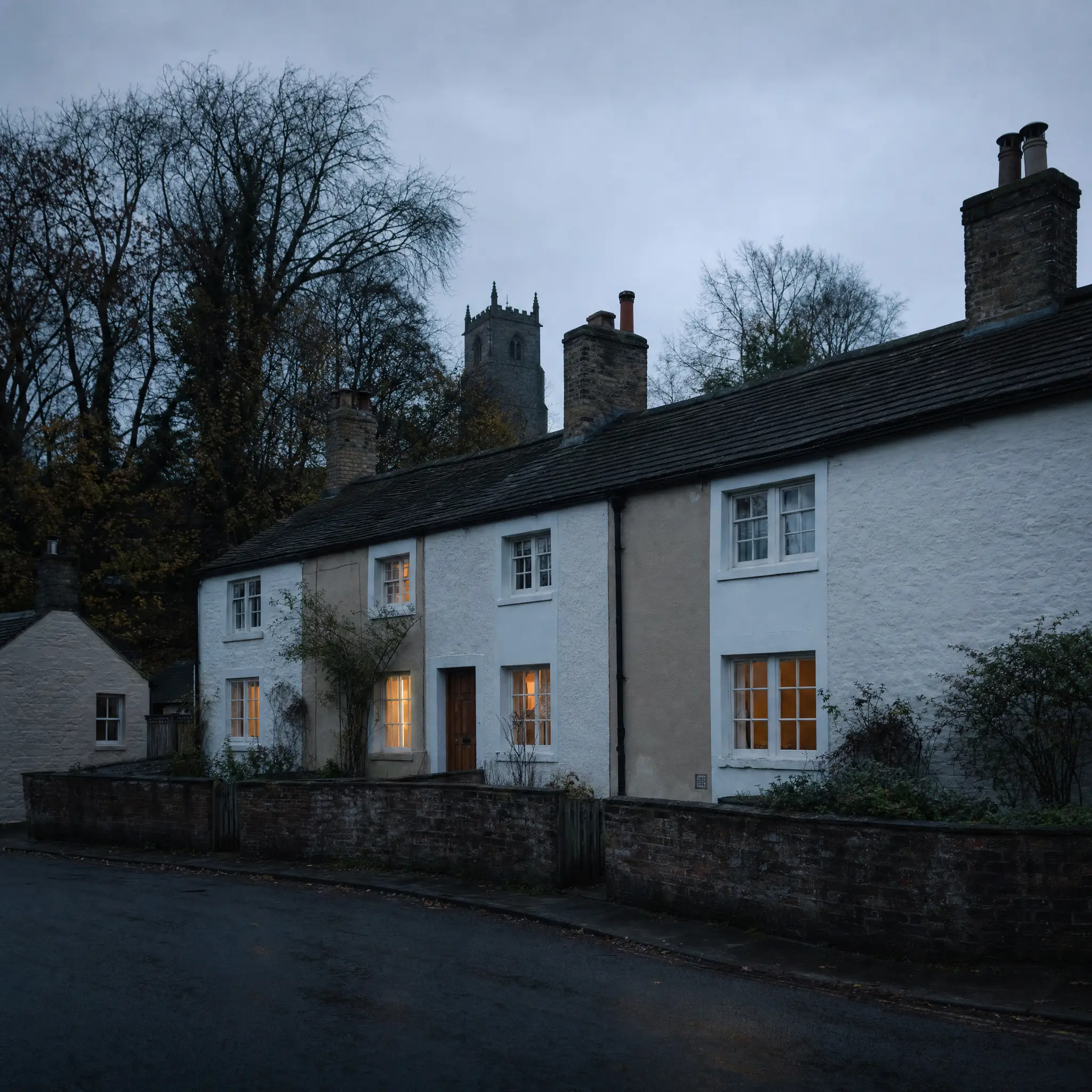
Harold Stanley Ede — Jim to everybody — had been a curator at the Tate in the twenties and thirties, which is where he learned what he then spent the rest of his life unlearning. He bought a great body of Gaudier-Brzeska's work in 1927, was introduced to Alfred Wallis by Ben Nicholson and Christopher Wood, and in 1956 he and his wife Helen found four derelict cottages under St Peter's church on Castle Street and had them joined into one house. Then they opened the door every afternoon and showed people round themselves.
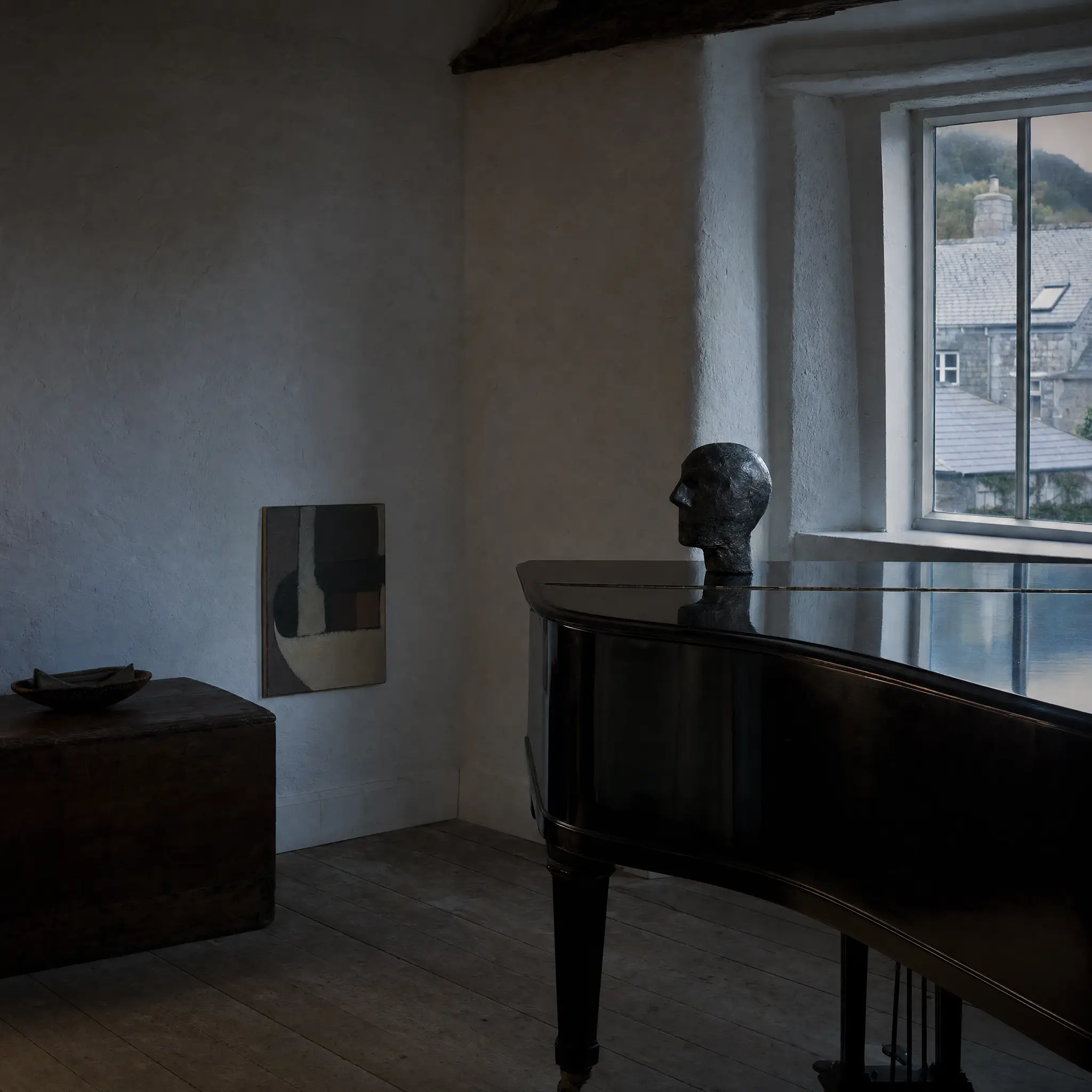
There are no labels. That is the first thing you notice and the last thing you stop thinking about. A Wallis is hung low, at the height of a person sitting down, because that is who it was hung for. A Brancusi head sits on the lid of Helen's Bechstein and is doubled in the black lacquer. A single lemon sits on a pewter dish to answer a yellow in the Miró on the wall opposite, and it is replaced when it goes over, still, by somebody who never met the man who put it there. None of this is decoration. It is an argument, made in objects, that where a thing sits is most of what a thing means.
Go on a weekday, in the first slot, in autumn. The house is entered by timed ticket and the rooms are small, and the whole effect collapses if there is somebody breathing behind you at the shelf. You come in now through the wing added in 2018, which is bright and modern and entirely correct as an airlock: it takes the street off you before the house starts. Give it ninety minutes and give the exhibition galleries — free, and often very good — a separate half hour afterwards, not before.
no usable exposure 005d
He gave the house away in 1966 and then went on living in it for seven years.
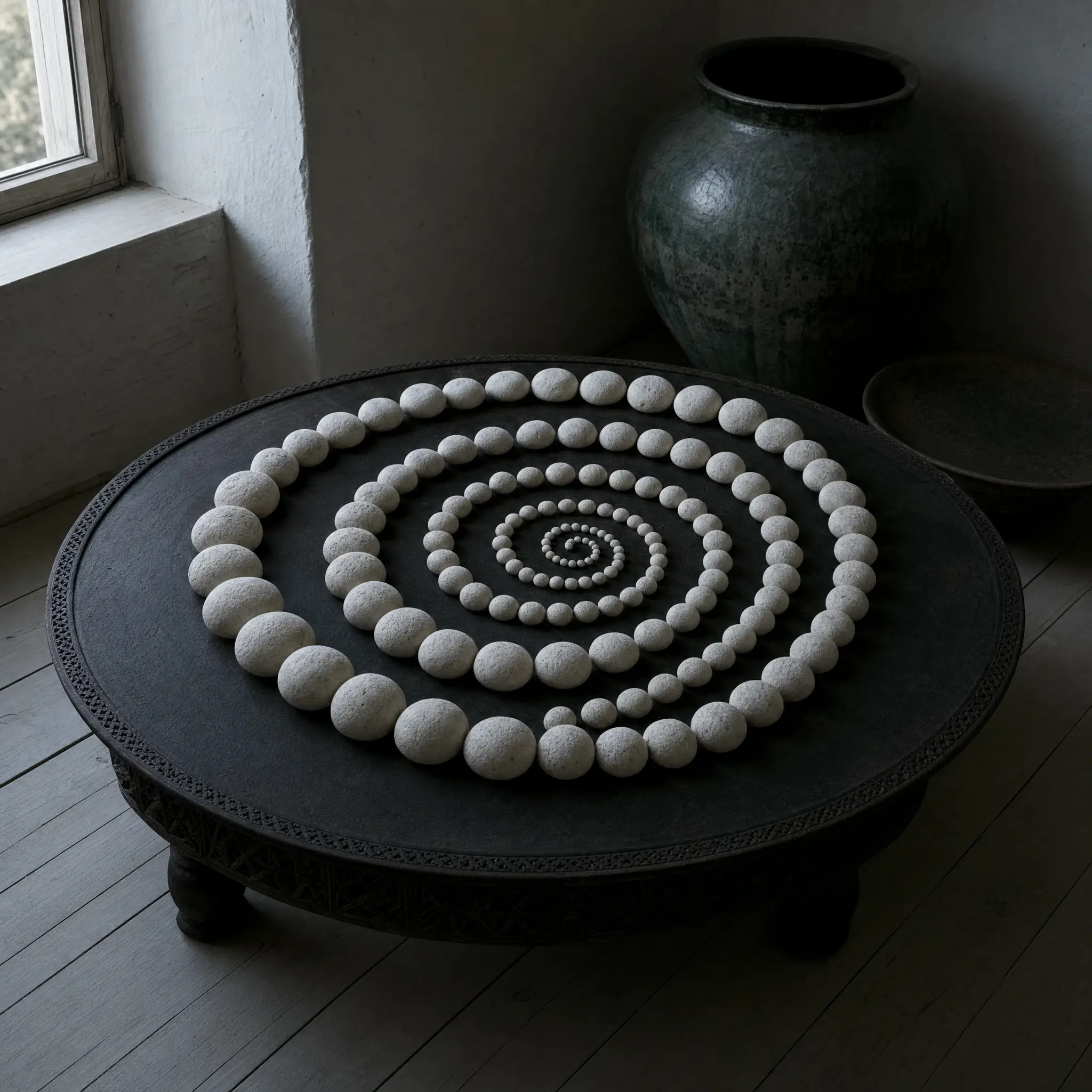
The gift to the University came with the collection, the furniture, the glass and the stones, and the Edes stayed on until 1973, when they moved to Edinburgh. The gallery extension went up in 1970, three years before they left, which means Jim Ede watched his own house become an institution and kept arranging it anyway.
The rooms are kept substantially as they were left. That is a harder instruction to obey here than at a grander house, because what is being preserved is not a set of objects but a set of judgements — this here, that at this height, flowers renewed, a lemon replaced. Somebody has to keep making the decision. They do.
Helen's piano is still played. If your visit happens to fall against a concert, stay for it, and let the house do the thing it was always meant to do rather than the thing museums do.