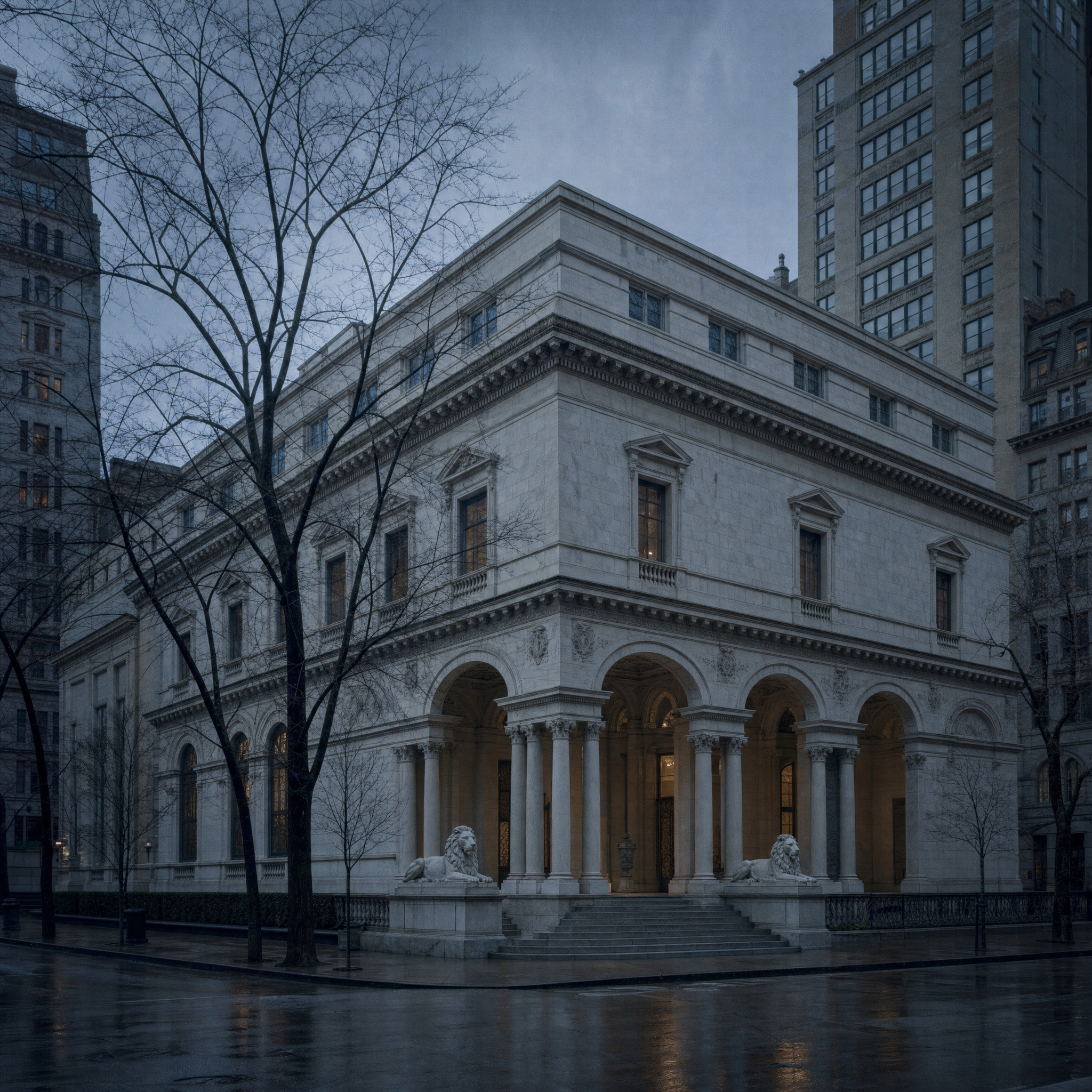
Pierpont Morgan engaged Charles McKim in 1902 and had his library finished in 1906: a low Italianate box of white marble beside his house, built to hold what he had been buying. That building is still the heart of the place, and it is not large. Everything since — Renzo Piano's glass and steel court of 2006, the campus that now knits three buildings together — is scaffolding around three rooms and a rotunda. Go through the modern entrance quickly. It is very good and it is not what you came for.
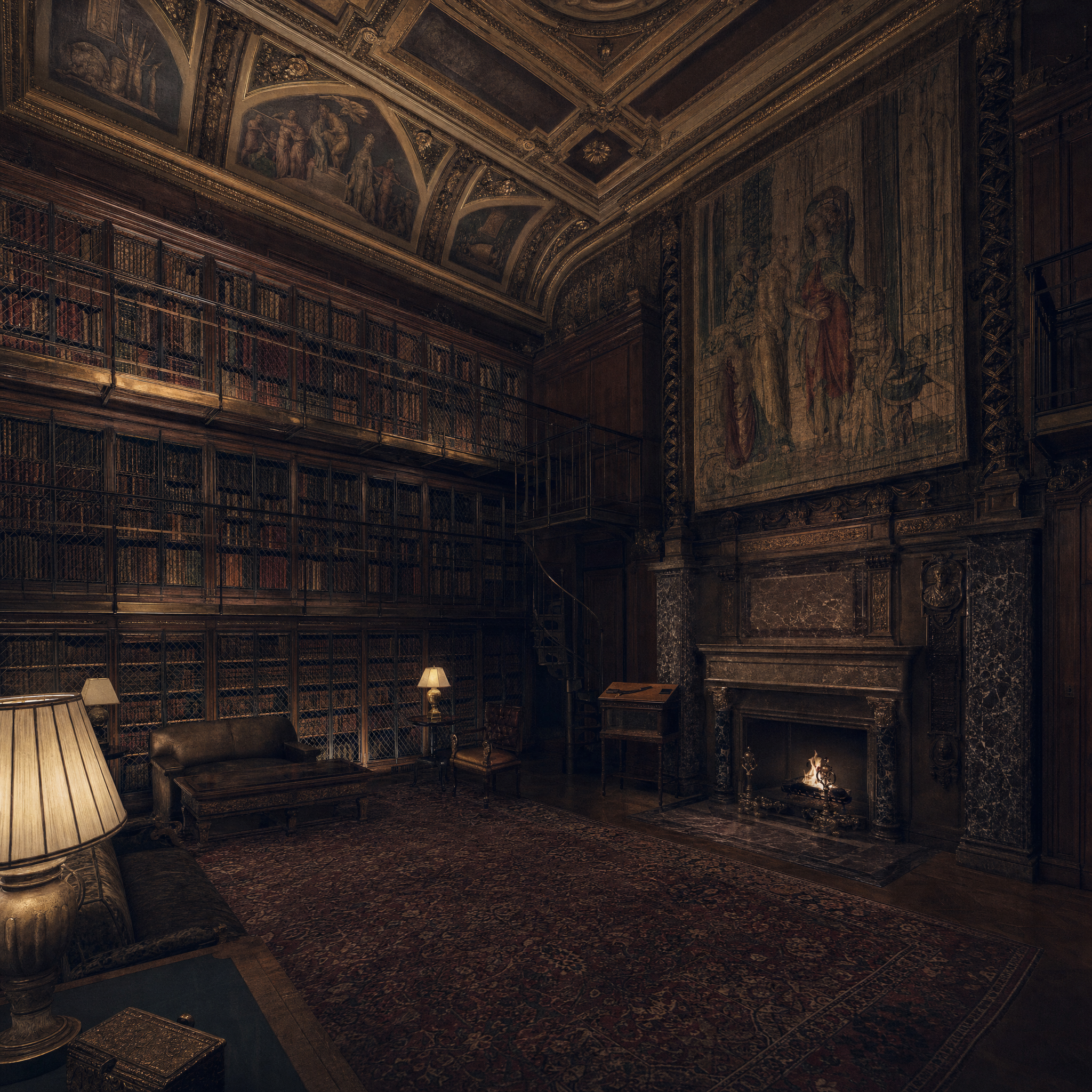
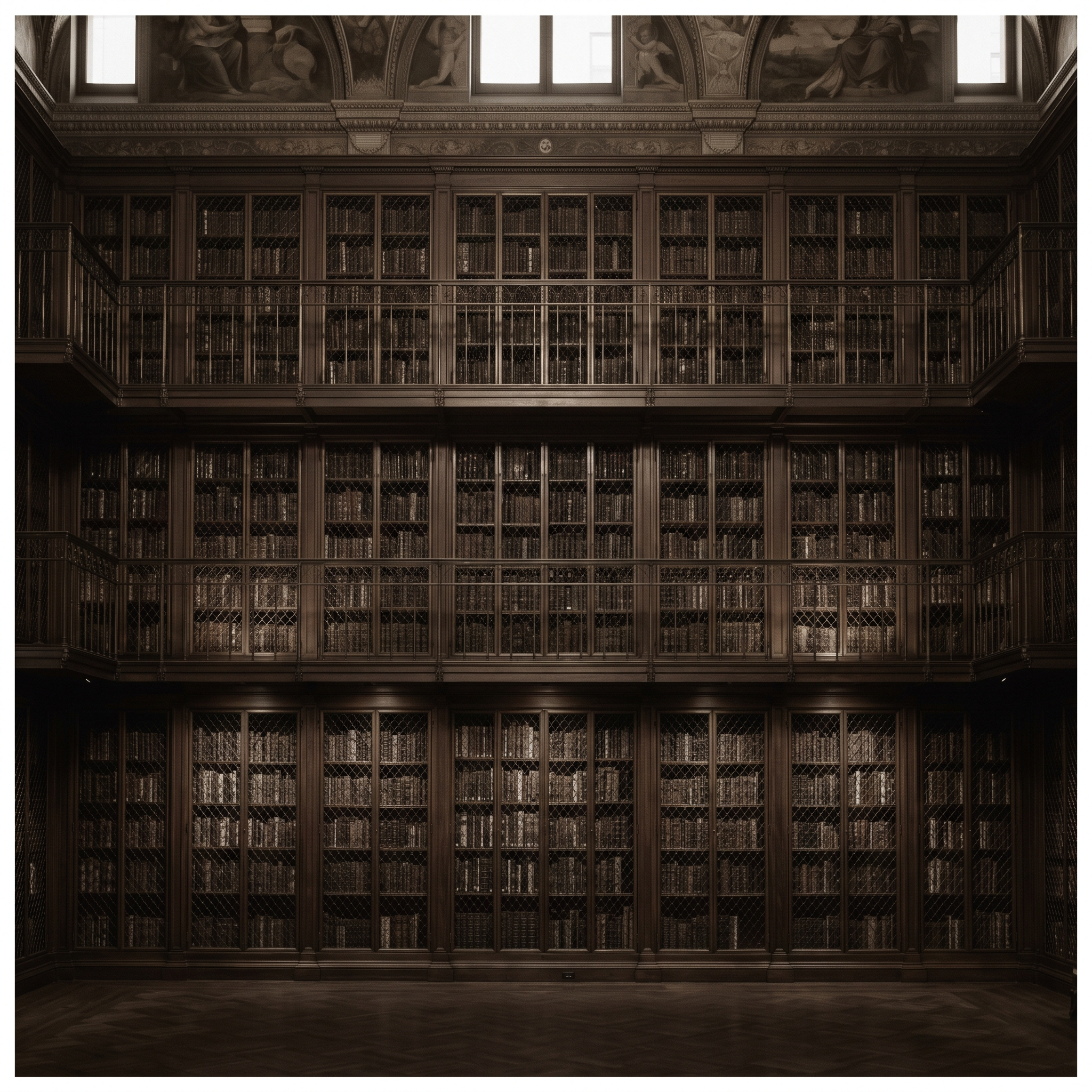
The East Room is the one you will have seen photographed and it survives being photographed. Three tiers of inlaid walnut behind bronze grilles, a fireplace, a tapestry, and a painted ceiling doing a great deal of talking. What the photographs miss is that the shelves are full to a working height and the upper tiers reached by a stair concealed in the wall — this was a room for fetching things, not for admiring itself. The West Room, Morgan's study, is smaller, redder, and considerably stranger, and I like it better every time.
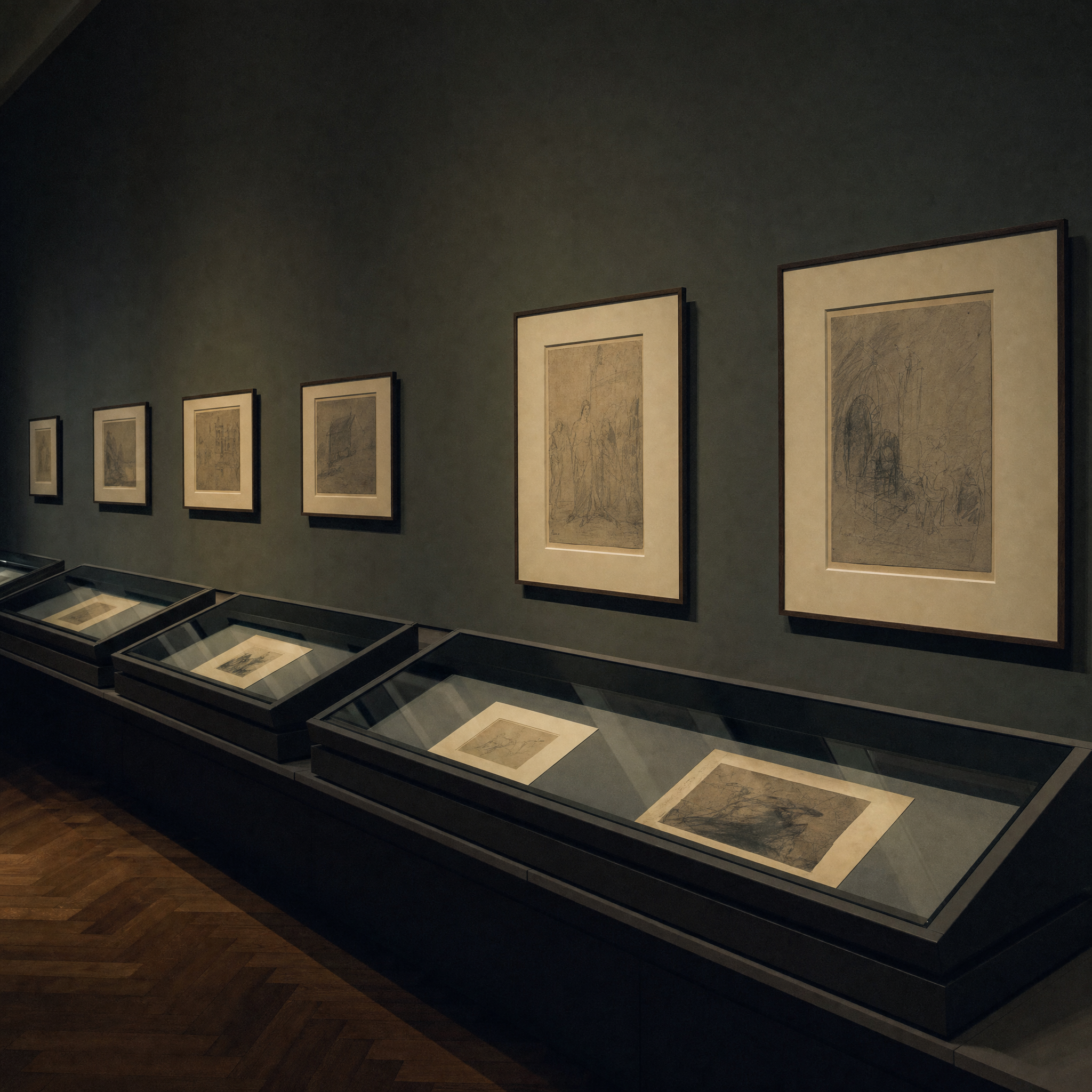
The other half of the visit is the drawings. The Morgan shows works on paper the way they ought to be shown — few at a time, low light, flat cases, and rotations, because paper cannot be left out. Whatever is up when you go is what you get, and I have never yet been disappointed by the luck of it. December, when it is dark by four and the lamps are doing the work. Closed Mondays. Two hours, and none of them in the shop first.
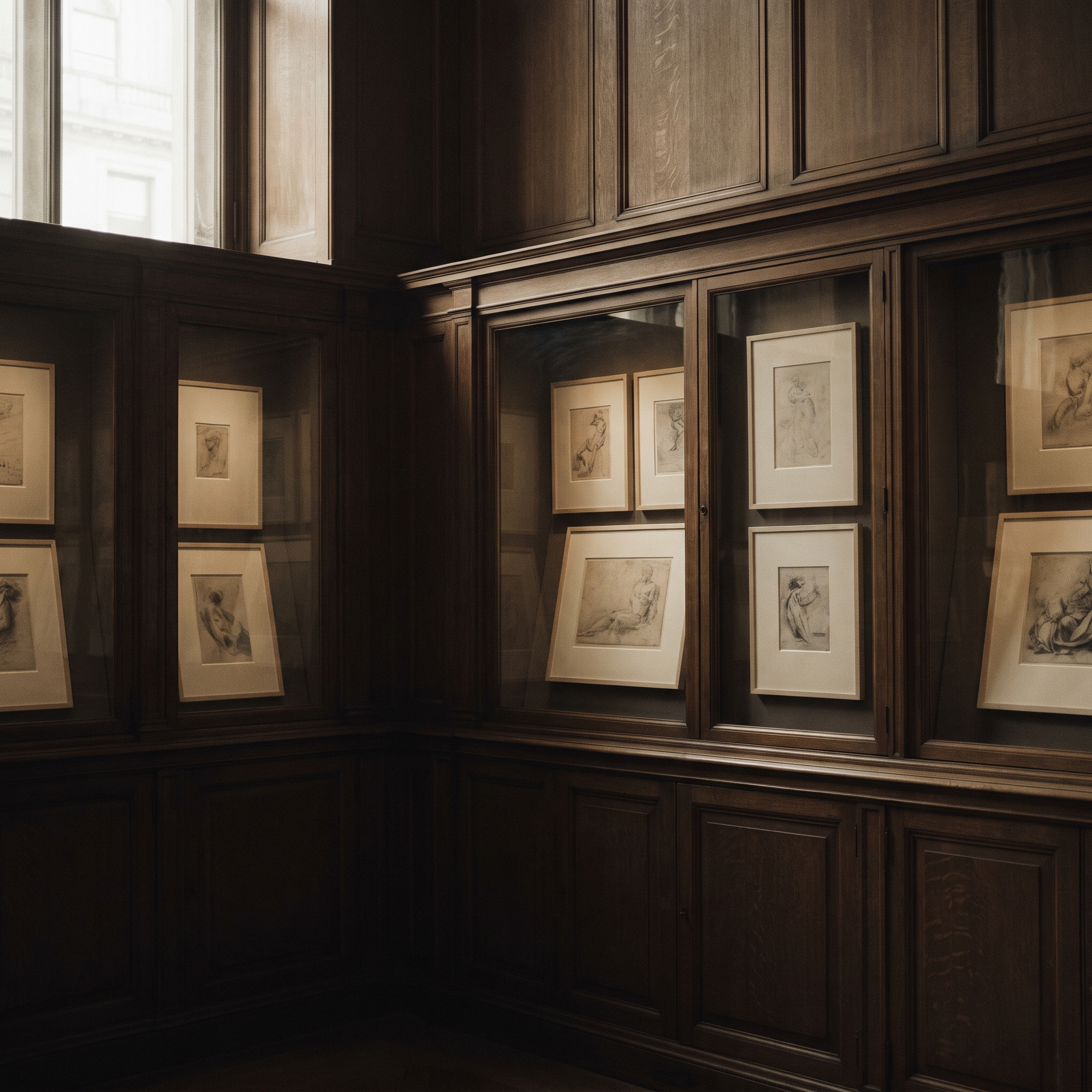
The North Room was her office, and almost everything here was her judgement.
Belle da Costa Greene came to Morgan as his librarian in 1905, stayed on for his son, and in 1924 became the first director of the library when it was made a public institution. She held the post until 1948. The collection you walk through is not one man's taste alone: for four decades she was the one deciding what came in, at what price, and against whom.
She was the daughter of Richard T. Greener, the first African American graduate of Harvard, and she lived her professional life as a white woman of Portuguese descent because the New York of 1905 offered her no other route to the room. Shortly before her death in 1950 she burned her personal papers. What survives is the professional record — letters, ledgers, acquisitions — which is to say the work, and not the woman.
Stand in the North Room and understand that you are in an office, not a treasury. I find I cannot look at the East Room the same way afterwards, and I do not think I am meant to.