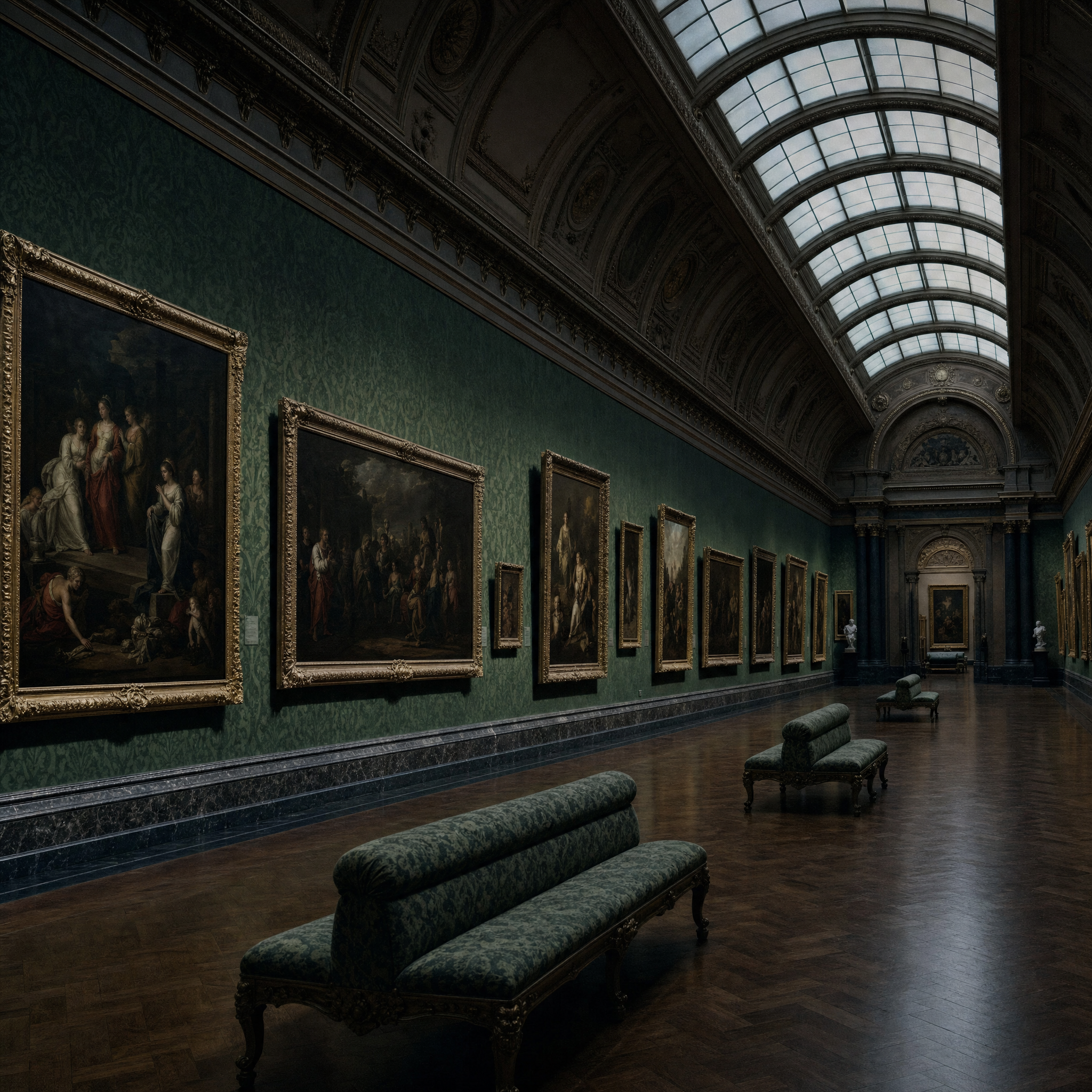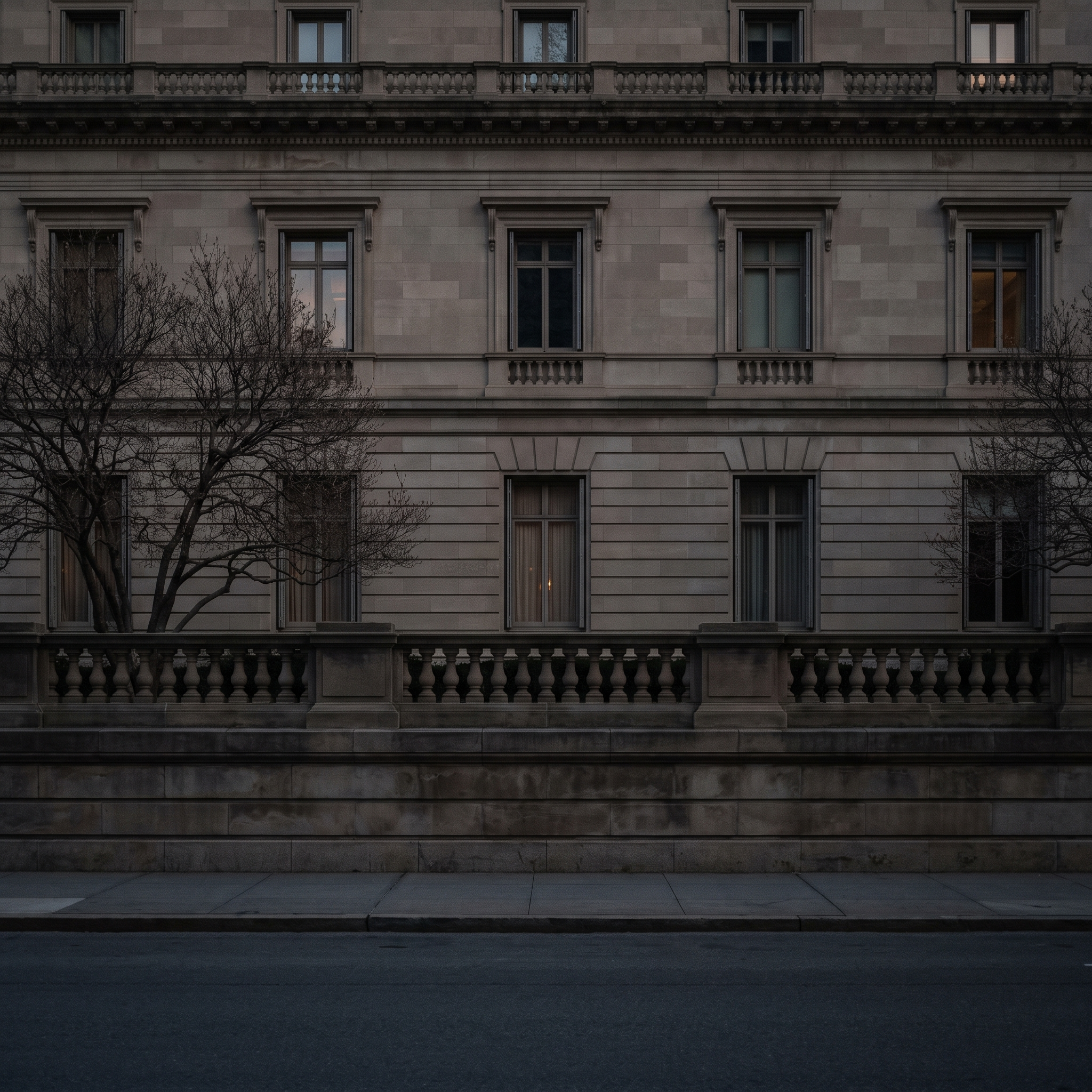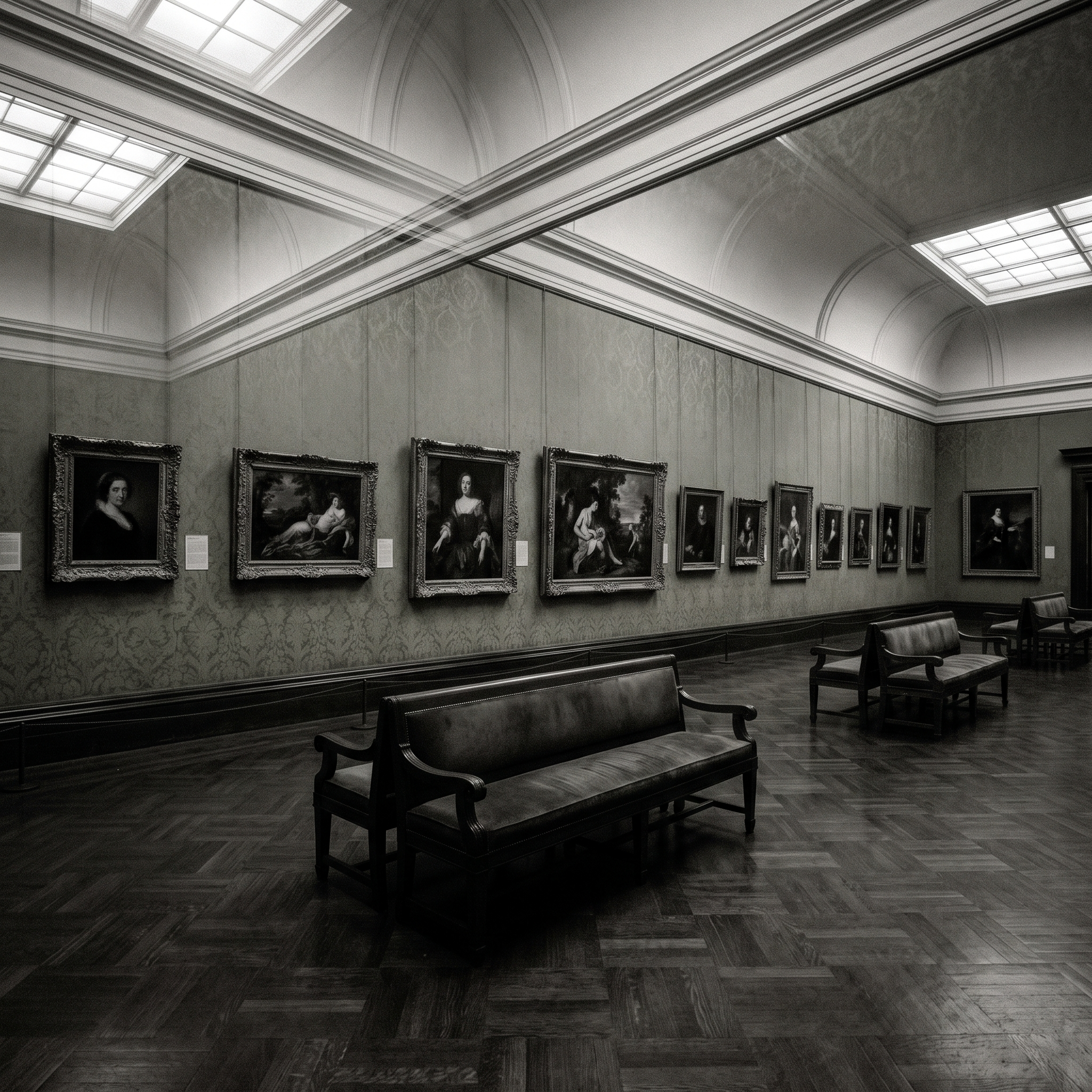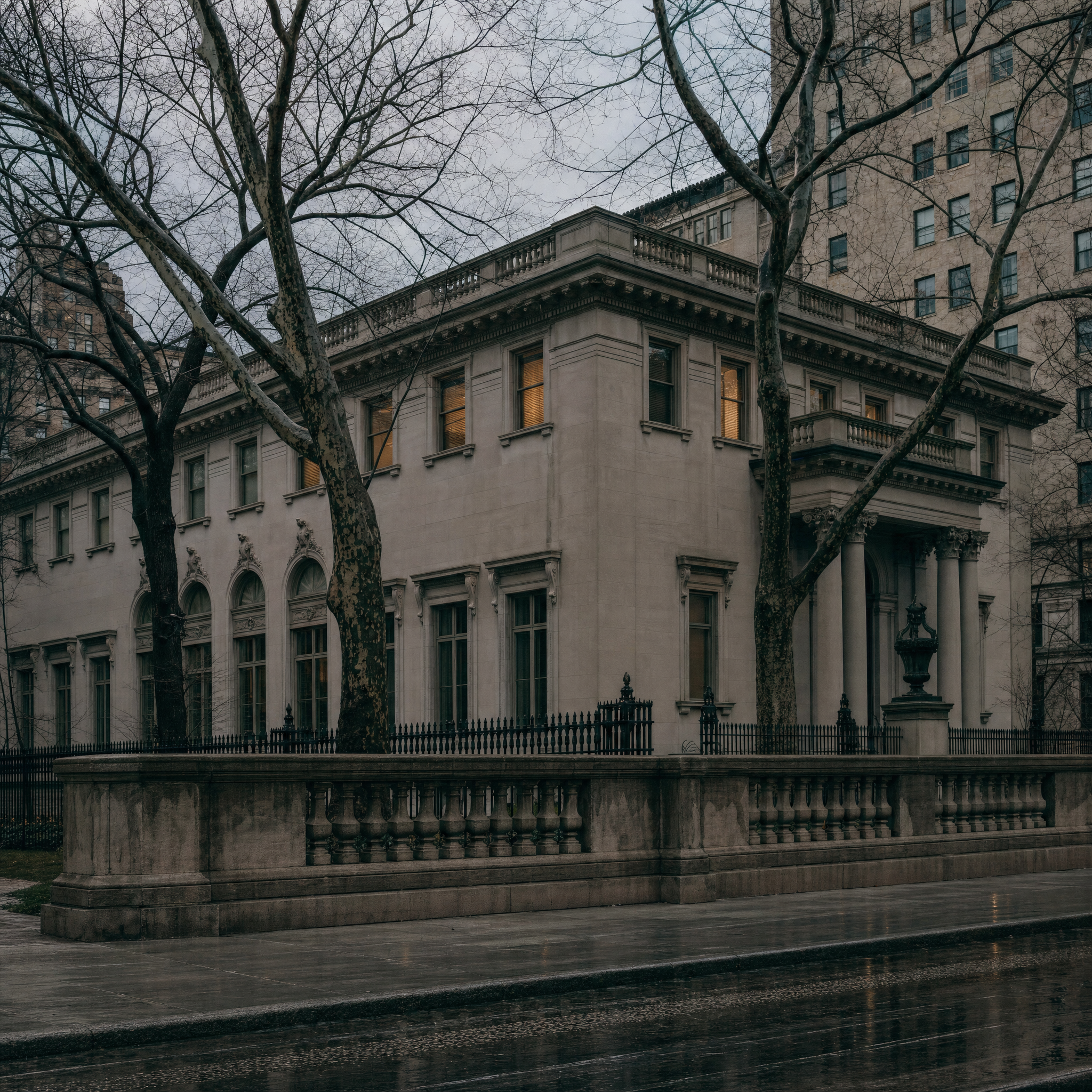
The thing nobody tells you about the Frick is how quiet the rooms are for their size. Henry Clay Frick's house went up on Fifth Avenue in the years before the First War and opened as a museum in 1935, and it has spent the ninety years since declining to behave like one. Most of the galleries still carry no wall labels. You are handed the paintings without an argument attached, in rooms that were furnished to be lived in, and you are left to work out for yourself why a Bellini and two Holbeins are hanging over a fireplace in what is plainly somebody's sitting room.
It closed for five years and reopened in April 2025, and I went back that December half-expecting to be sad about it. I was not. Annabelle Selldorf's work is almost invisible where it matters — the first-floor rooms are the rooms — and the great gift is the second floor, the family's own bedrooms and sitting rooms, opened to the public for the first time. Going up that staircase is the newest pleasure in New York and it is a hundred and ten years old. The Boucher Room and the Breakfast Room have been put back as the Fricks knew them, and after the parade of the West Gallery they land like a door closing behind you.
Book ahead; it fills, and it is closed on Tuesdays, which catches people out. Go at opening rather than late, take the long way round the Garden Court twice, and do not photograph anything — you are only permitted to in the Court, and the restraint turns out to be a kindness. It is not a large museum. Ninety minutes is honest. I have never once managed to leave in ninety minutes.