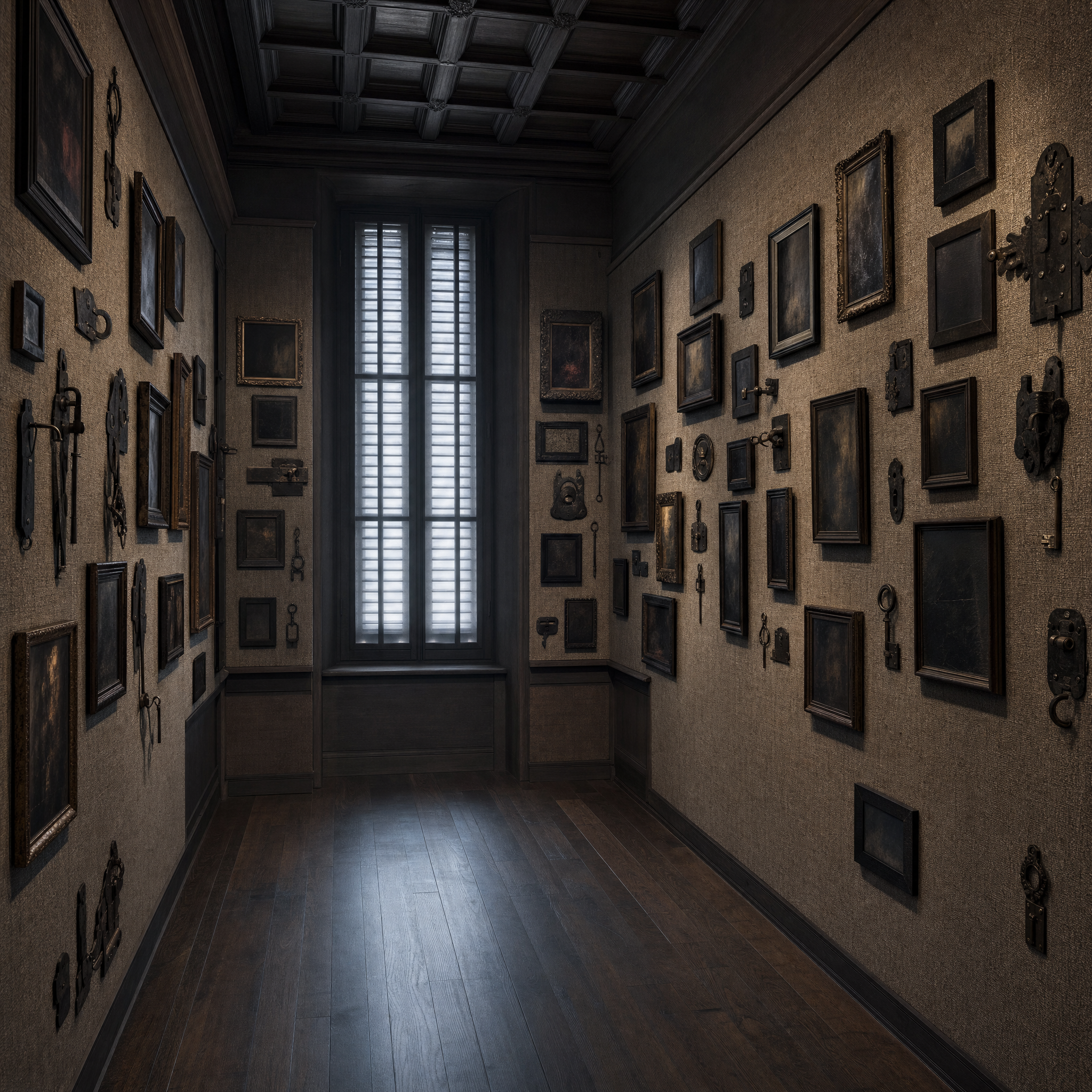
Albert Barnes made his money on an antiseptic and spent it on pictures, and then did the thing almost no collector does: he decided what the pictures were for. He founded the place in 1922 as a school, built a gallery at Merion designed by Paul Cret to hold it, and hung the walls in what he called ensembles — a Cézanne set against a hinge, a Renoir against a chest, a Pennsylvania German chair below both — grouped by line, colour, light and space rather than by date, nation or school. Nothing is labelled beside the pictures. That is not an oversight. It is the entire argument.
I spent the first twenty minutes cross. You come in expecting a museum and are handed a system, and the system will not explain itself. Then something turns over — for me it was a wall where the ironwork and the painted forms were doing the same shape, over and over, in three different centuries — and the whole room clicks into a sentence. After that I could not stop reading the walls that way, and every conventional hang I have seen since looks a little lazy by comparison.
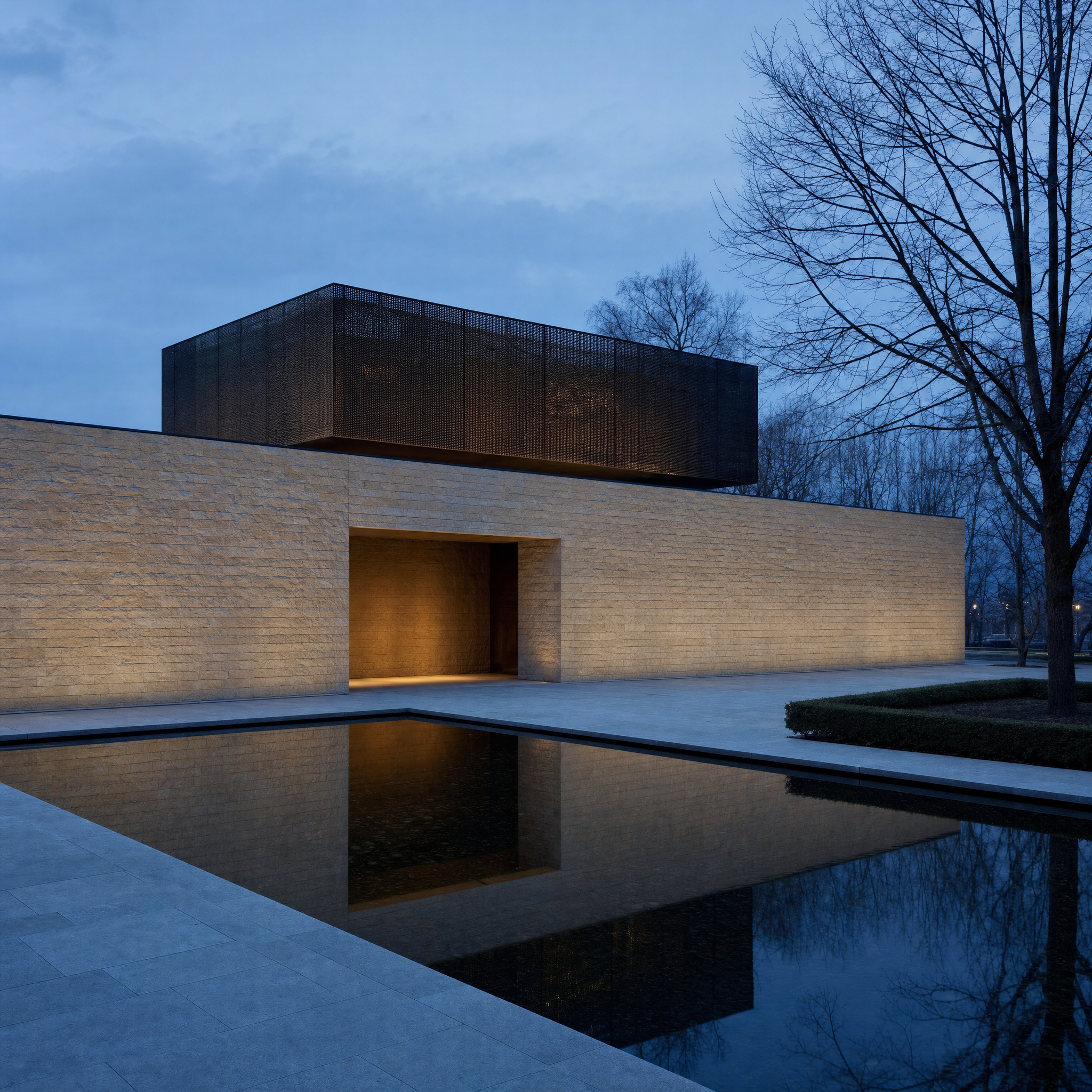
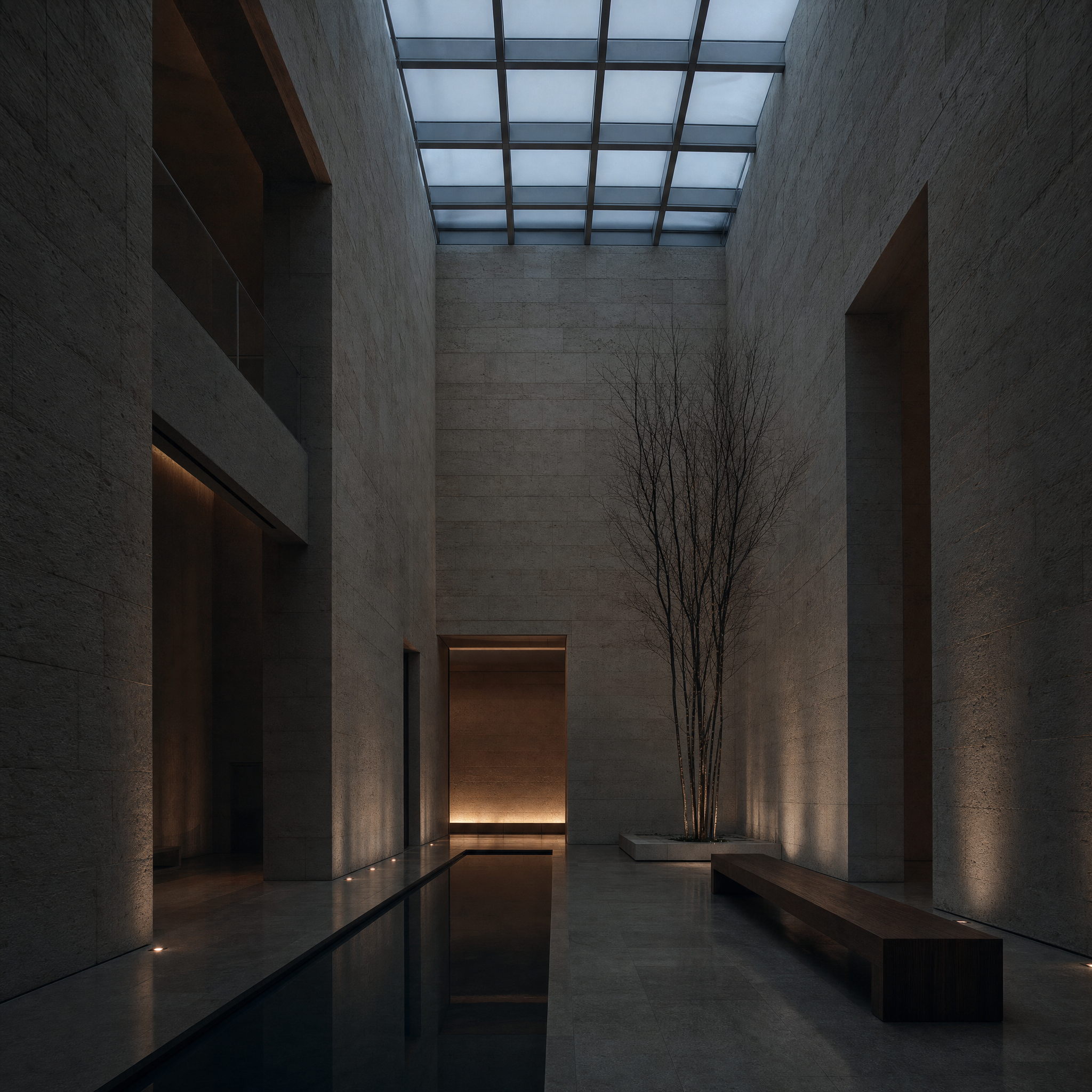
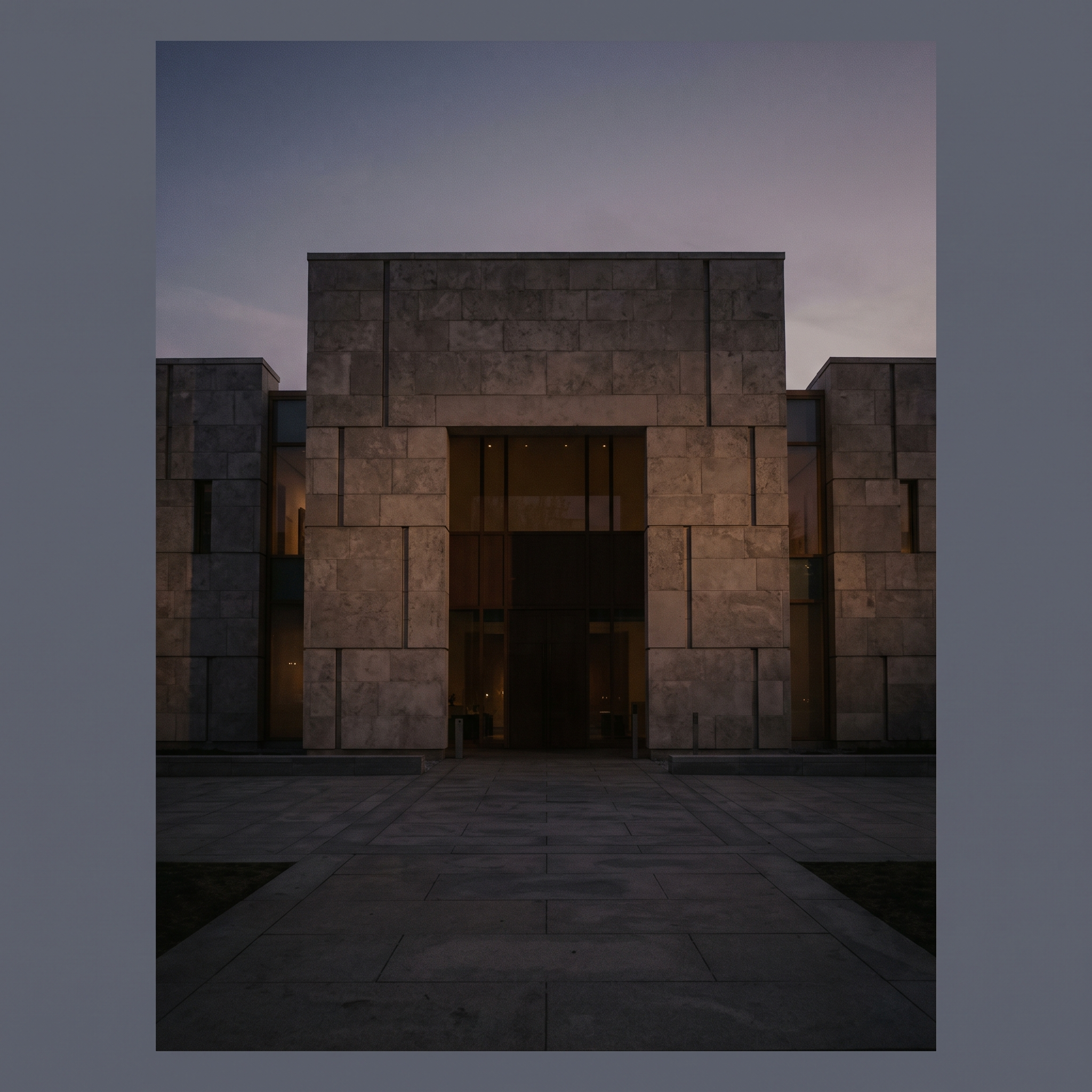
The building you visit is not Barnes's. It opened on the Parkway in 2012, by Tod Williams Billie Tsien, after a long and genuinely bitter fight about whether the collection could be moved at all. The compromise is the interesting part: the galleries reproduce the scale, proportion and configuration of the Merion rooms, and the 1951 arrangement was carried over unchanged. So you stand in a new limestone building looking at an old man's fixed opinion, and the two are not quite in the same key. Notice the seam. It is the most honest thing about the place.
He built a school and left behind a museum, which is not the same thing.
Barnes did not want crowds. He wanted students. He ran art-appreciation classes at his factory — production stopped for two hours a day so the workers could argue about painting — and in the late 1940s he tied the Foundation's teaching to Lincoln University, the country's first degree-granting historically Black college. The walls were teaching aids. The absence of labels was pedagogy, not mystique.
Then he died, and the argument outlived him: decades of it, in courtrooms, over whether a private school in Merion could become a public museum on the Parkway. It could, and in 2012 it did. What survived the move is the hanging — the 1951 arrangement, the same room proportions, the same refusal to explain.
I do not know whether he would have forgiven the new address. But I know the walls still teach, because I left able to see things I could not see that morning, which was the whole of his intention.