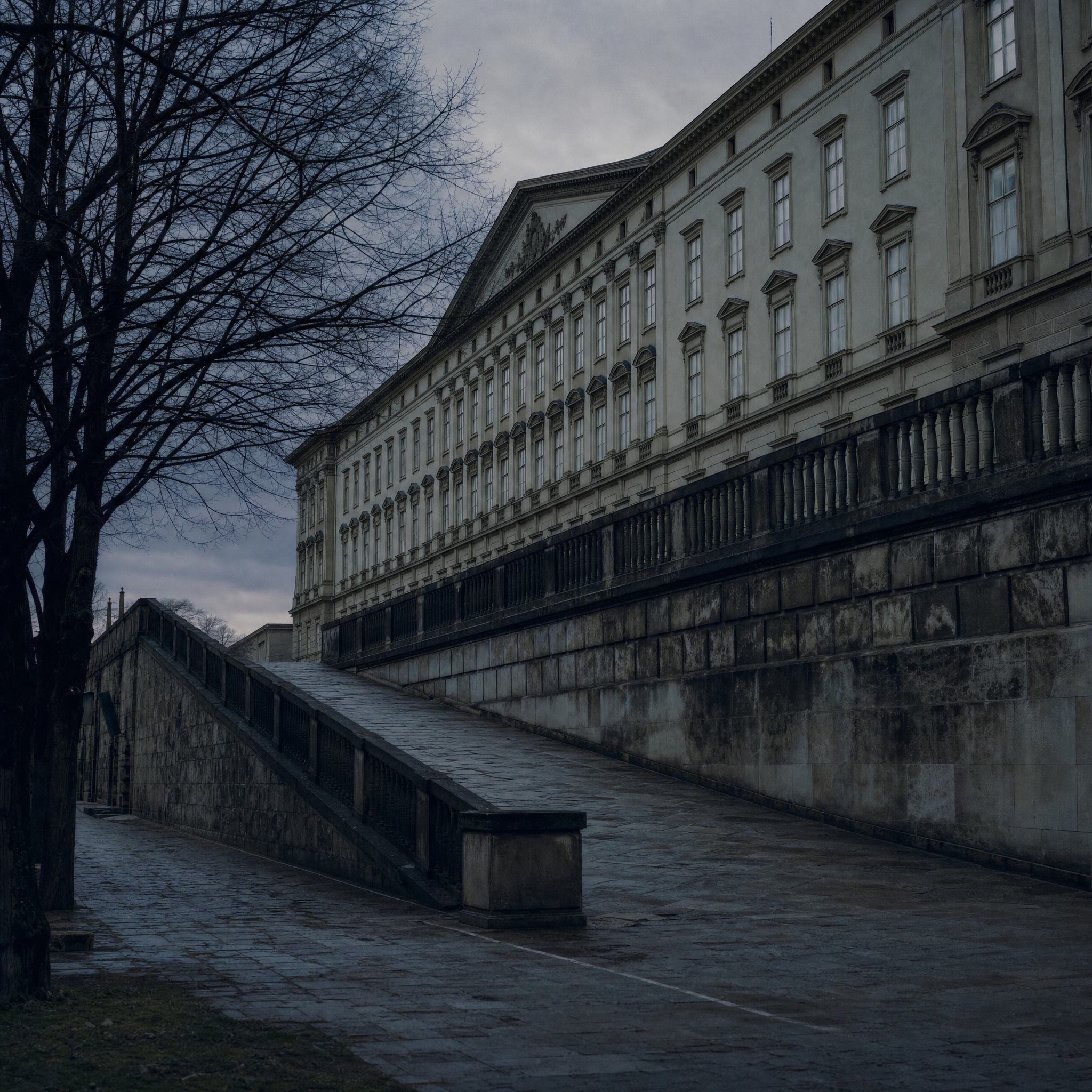
Duke Albert of Saxe-Teschen began buying prints and drawings in 1776, and by his death in 1822 had assembled some fourteen thousand drawings and around two hundred thousand printed sheets. That collection is still the reason to come. It now runs to roughly sixty-five thousand drawings and over a million prints, and the arithmetic of that is the first thing a visitor has to make peace with: on any given morning you are being shown a few hundred sheets out of a million, and the choice of which few hundred is not yours.
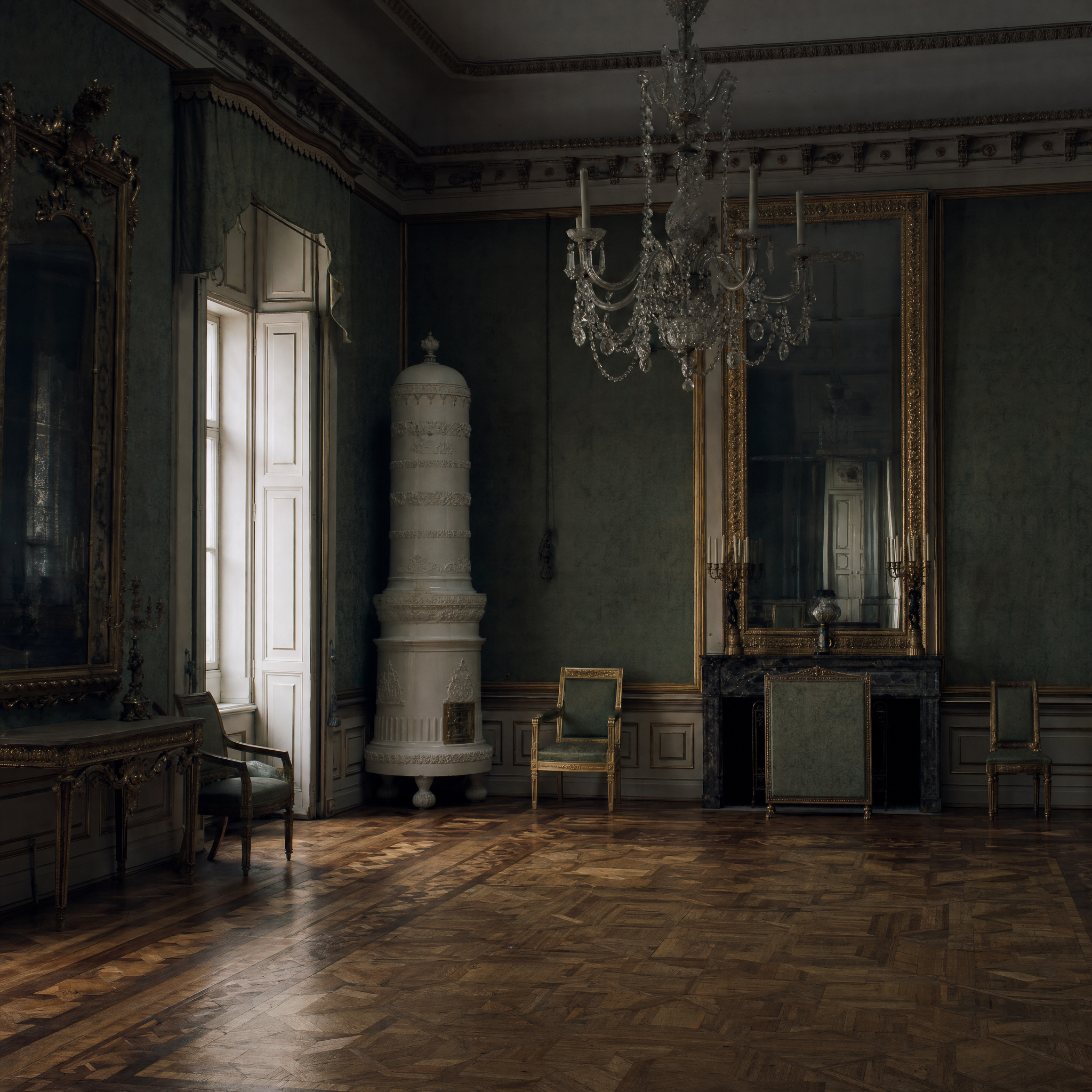
I have been on a morning when the Dürer sheets were up and on a morning when they were not, and I would rather be honest about which taught me more. The second. With nothing famous to walk towards I spent an hour in the state rooms instead — twenty of them, silk and stove and marquetry, lived in by Habsburg archdukes for a century before anyone thought of ticketing them — and then went back down to whatever was hung and looked at it properly, because there was no reason to hurry past it. The Albertina rewards the visit you did not plan.
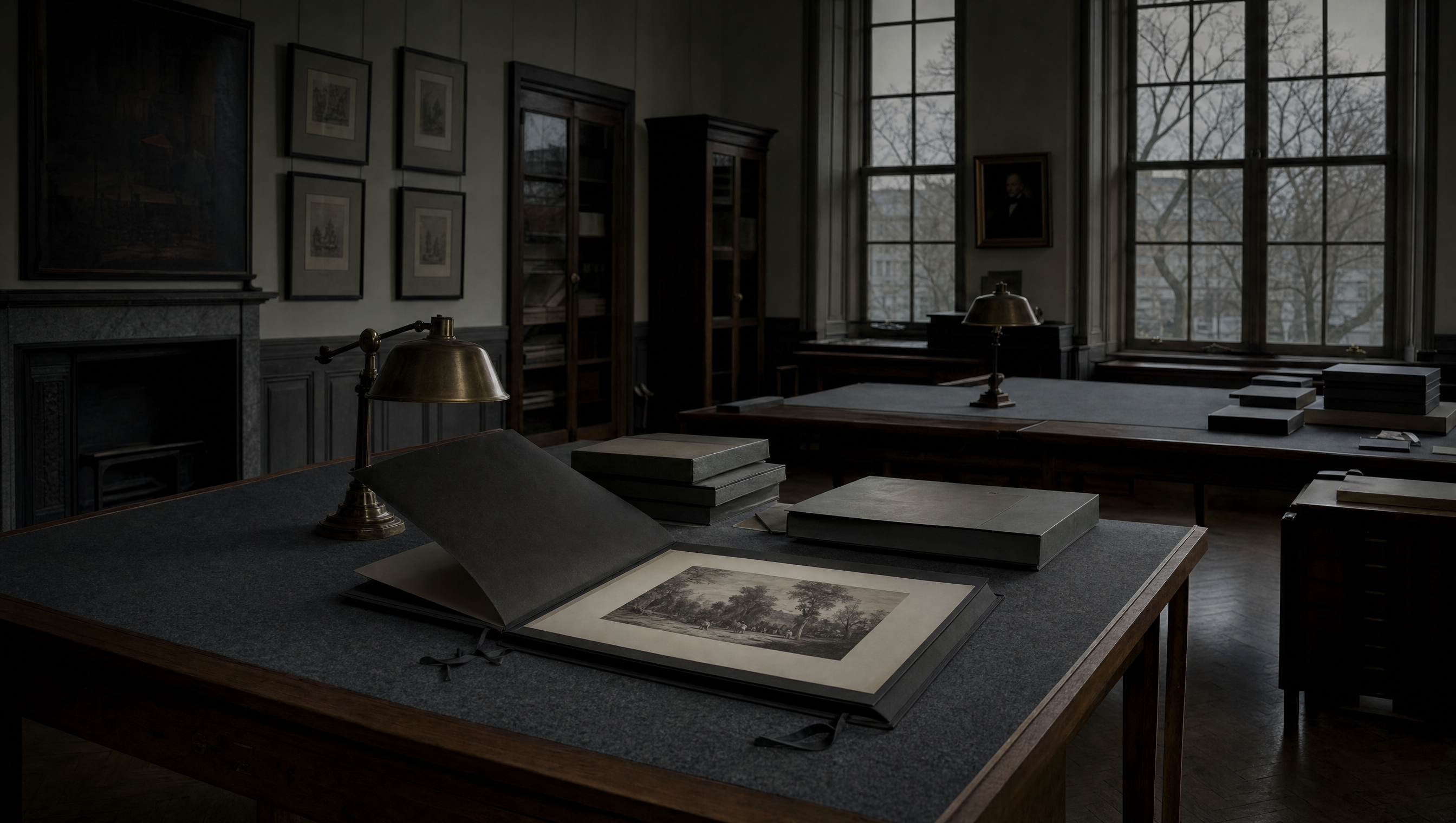
Go at ten, on a weekday, and accept that it will be busy anyway; it is one of the most visited museums in Austria and January does not thin it. What January does give you is the right light and the right pace. Check the exhibition page before you book anything — works on paper are shown in rotation and rested afterwards, which is not curatorial coyness but the only way a sheet survives five hundred years. Light is what kills them. That is the whole covenant of a print room, and it is worth understanding before you feel disappointed by a drawer.
works on paper · no photography
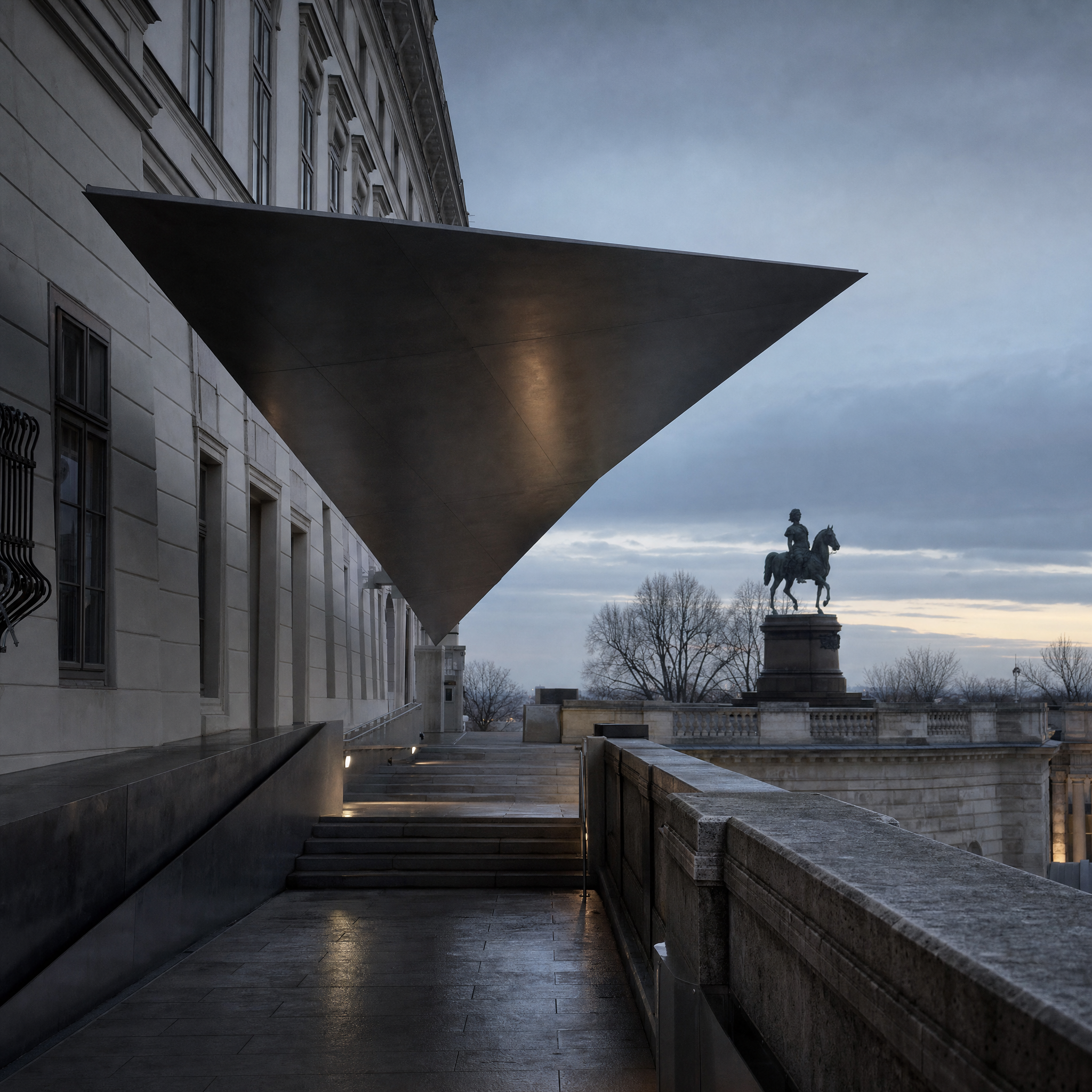
The last room is not inside the building. It is the square you cross to leave it.
Albertinaplatz, directly below the bastion, is open ground because on 12 March 1945 a bomb destroyed the Philipphof, the large apartment building that stood there. Hundreds of people had taken shelter in its cellars. Only about a hundred and eighty bodies were ever recovered.
Alfred Hrdlicka's Memorial Against War and Fascism was unveiled on that ground in 1988 and finished in 1991 — five stone and bronze segments you walk among rather than look at from a distance. It is a difficult work and has been argued about ever since. It is not a park sculpture and it is not decoration for the museum steps.
Everyone comes down the ramp full of Dürer and walks straight past it towards the Opera. I have done it myself. The second time I stopped, and the two things — a collection kept safe in the dark for two hundred and fifty years, and a cellar that was not — sat together very badly, which is presumably the point.