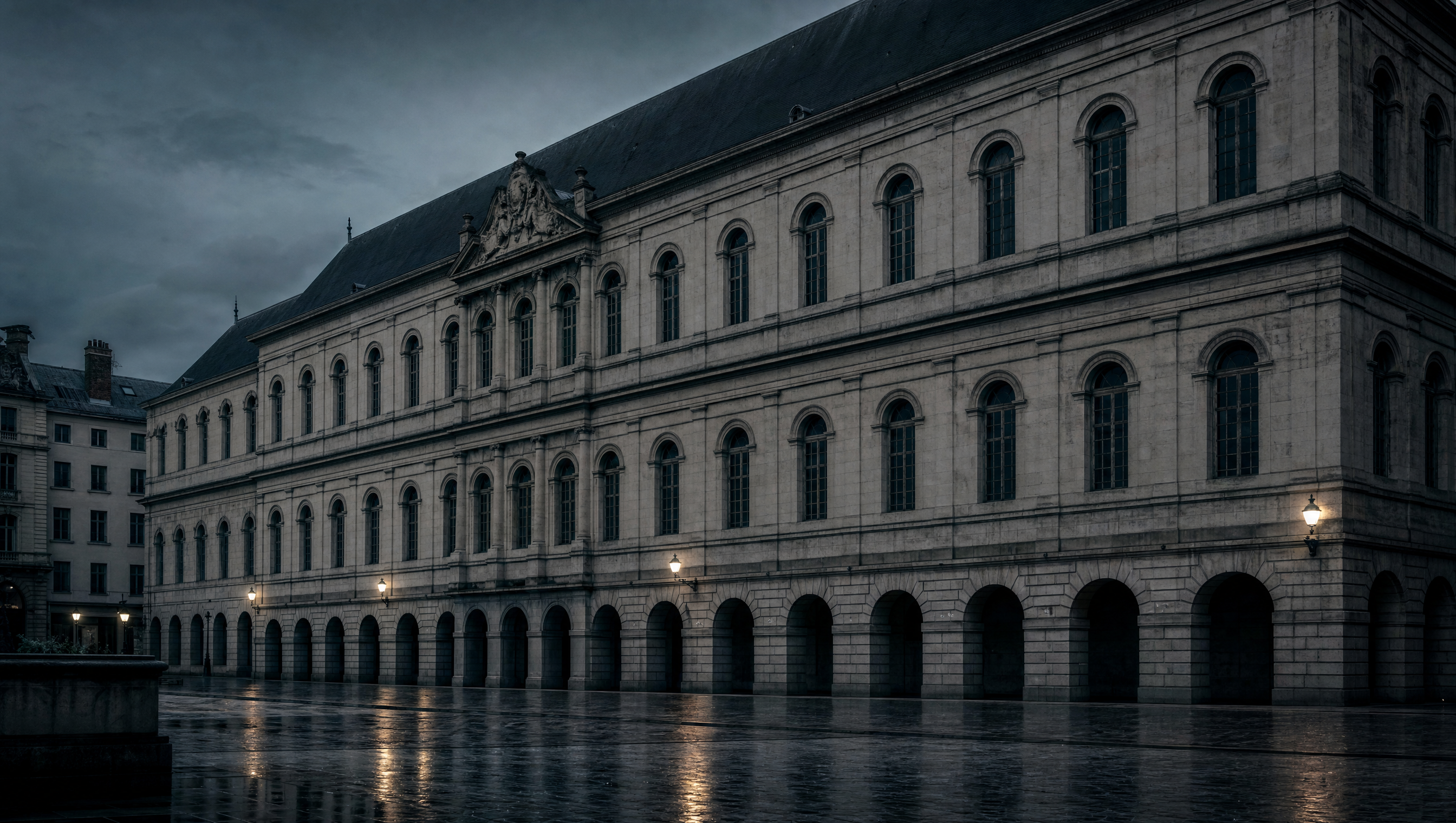
This was a house of Benedictine nuns before it was anything else, rebuilt in the seventeenth century and turned into a museum in 1801, in the long administrative hangover of the Revolution. Nobody designed it to hold five thousand years of art. It holds them anyway, over three floors and five departments, and the seams show in the best possible way: you walk out of Pharaonic Egypt into a corridor that was plainly a corridor for nuns, and the building keeps interrupting the collection with itself.
The museum's own reckoning of an average visit is a little under three hours. That is an honest number and it is still not enough. Go up first, before the legs go — the whole of the second floor is paintings, thirteenth century onward, and it is where the word provincial stops being usable. Then come down for the antiquities, which is the correct order for a tired eye and the wrong order for anybody following a map.
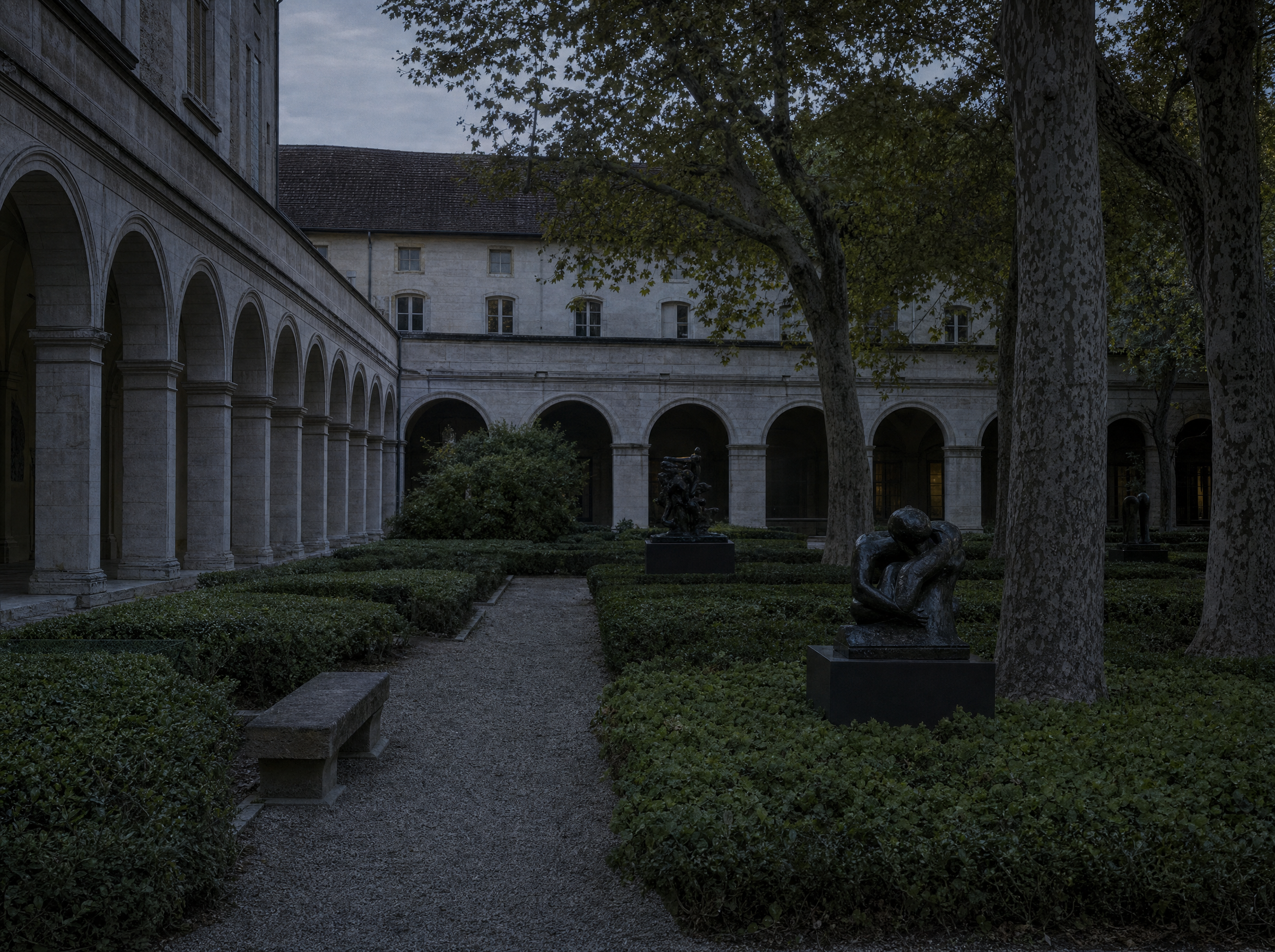
I went on a wet afternoon in the low season and it was the right weather; the cloister garden was empty and I lost twenty minutes in it without deciding to. Rooms here close and reopen — for hanging, for heat, for the temporary shows — so read the site the morning of, not the week before. Not a Tuesday, ever. And do not put anything else in the day.
the medals room, no photography attempted 015d